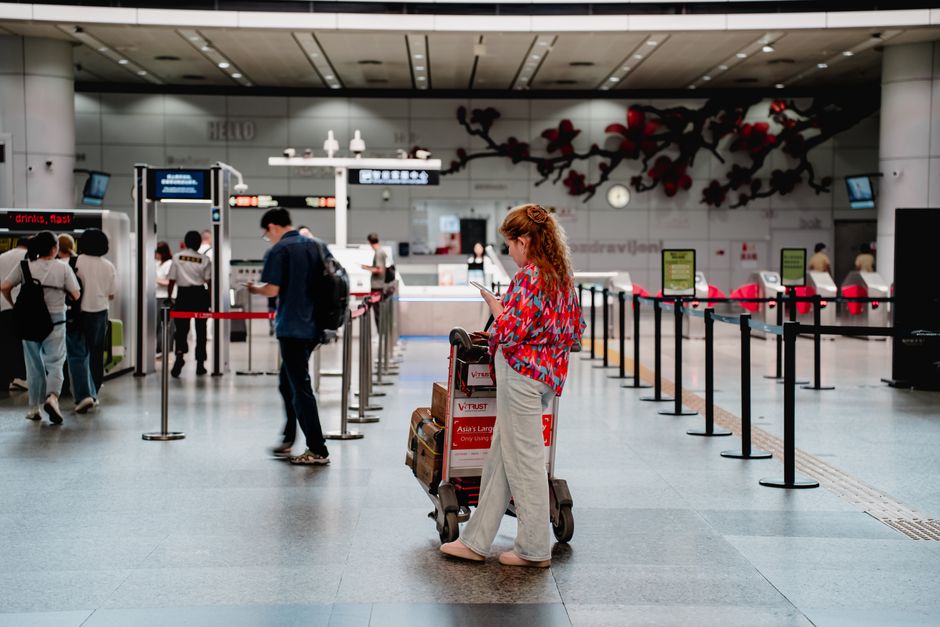
A long layover does not need to leave you stiff, hungry, and overcharged for a small sandwich. Use the terminal as a walking track, spend ten minutes on simple mobility work, and choose snacks that provide steady energy instead of a sugar spike.
Why Layover Stretching Works Better Than Sitting
The best layover stretch is the one you can repeat in public without needing a mat. Sitting for two or three hours keeps your hips bent, reduces ankle movement, and leaves your upper back rounded over a phone or laptop. That combination can make your first hour on the next flight feel worse than the flight itself.
Start with circulation, not deep flexibility
Walk for five minutes before stretching. Then stand near your gate and complete 20 ankle pumps per side, 10 slow calf raises, and 10 bodyweight squats. These movements wake up the lower legs and hips without forcing a cold muscle into a deep position. Keep your heels down during the squats and hold a wall or seat if the floor feels unstable.
Use a two-minute upper-body reset
Place both hands on your hips, draw your shoulders back, and take five slow breaths. Next, clasp your hands behind your back if that feels comfortable, lift them a few inches, and hold for 15 seconds. Finish with five neck turns to each side. The goal is range of motion, not a dramatic stretch. Stop if you feel sharp pain, numbness, dizziness, or unusual swelling.
My verdict is simple: a short walking loop plus gentle mobility beats one heroic stretch session. You spend less time looking for a quiet corner and more time restoring the movement that sitting removed.
The 10-Minute Airport Mobility Routine

Use this routine after security, before a meal, or during a gate change. It needs no equipment and works in ordinary clothes. Keep every movement controlled; airports are poor places to test your maximum balance or flexibility.
- Minutes 0-2: Walk at a brisk but comfortable pace. Let your arms swing naturally.
- Minutes 2-3: Complete 20 ankle pumps and 10 ankle circles in each direction per foot.
- Minutes 3-5: Perform 10 calf raises, 10 shallow squats, and five standing hip extensions per leg.
- Minutes 5-7: Place your hands on a wall and stretch each calf for 20 seconds. Keep the rear heel on the floor.
- Minutes 7-9: Do five standing chest openers and five gentle torso turns per side.
- Minute 10: Take six slow breaths, drink water, and check how your body feels before returning to your seat.
Choose the right location
A quiet gate corner, an empty section beside a moving walkway, or a family restroom lobby usually gives you enough space. Do not stretch in a security line, beside an escalator, or where rolling luggage can strike your ankles.
Know when to skip the routine
Skip a movement that causes pain, pins and needles, loss of balance, or a sudden headache. Travelers with a recent injury, blood-clot history, or medical restriction should follow their clinician’s instructions. The winning routine is the one that leaves you feeling more capable, not more sore.
Which Layover Snacks Give Steady Energy?
The airport snack aisle rewards convenience, not value. A $9 pastry may be easy to carry, but it can leave you hungry again before boarding. Look for a mix of protein, fiber, and water. The examples below are packaged products with clear portions, so you can compare them without guessing.
| Snack | Useful specification | Best use | Verdict |
|---|---|---|---|
| RXBAR Chocolate Sea Salt | About 12 g protein per bar; 1.83 oz | Long connection or delayed flight | Best compact meal bridge |
| Chomps Original Beef Stick | About 10 g protein; 1.15 oz | Small hunger between meals | Best low-volume option |
| KIND Protein Max bar | About 12 g protein; roughly 1.4 oz | Pairing with fruit or yogurt | Best for a nut-based snack |
| Liquid I.V. Hydration Multiplier | 500 mg sodium per stick when mixed with 16 oz water | Heat, sweating, or poor water access | Useful only when electrolytes fit the situation |
Build a two-part snack
My pick for a four-hour layover is an RXBAR plus a banana or apple bought before the gate. The bar supplies protein and the fruit adds water and carbohydrate. A Chomps stick works when you want something small, but it is salty and should not replace a meal.
Do not confuse electrolyte powder with unlimited hydration
Liquid I.V. can be practical after sweating or when a traveler struggles to drink plain water, but the sodium and sugar still count. For a normal indoor connection, water and a regular snack are usually the better value. The relevant fee is the airport markup, not an APR: compare the package size and nutrition before paying $6 to $12 for a branded impulse purchase.
The Best Layover Choice Is Boring: Walk, Water, Protein
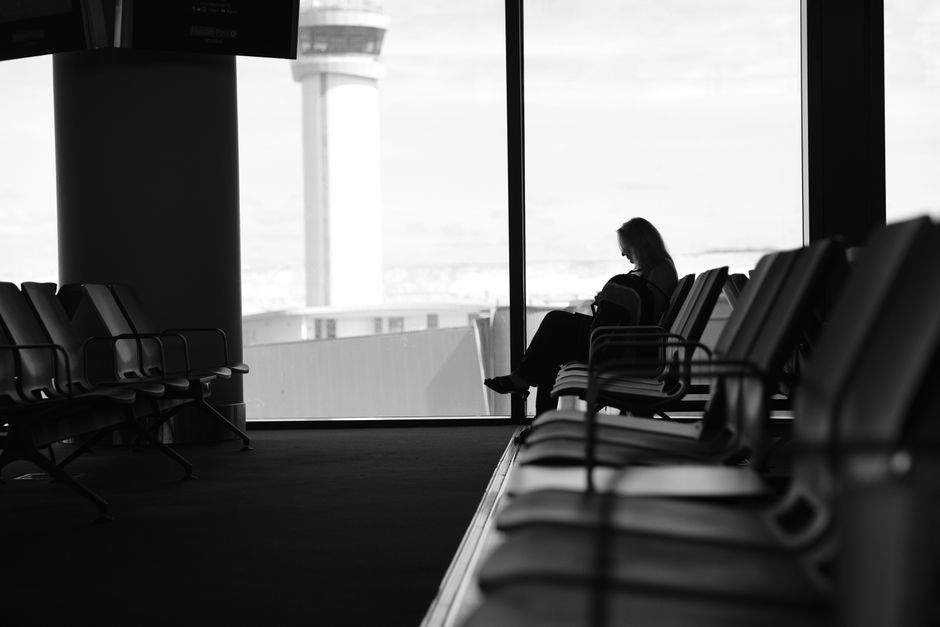
For most travelers, the winning layover plan is a ten-minute walk, a bottle of water, and one protein-containing snack. It costs less than buying a large airport meal, creates fewer stomach surprises before boarding, and addresses the three problems sitting creates: low movement, thirst, and unreliable hunger. If you want one packaged pick, choose the RXBAR Chocolate Sea Salt because its 12 grams of protein fit in a pocket and make a delayed connection easier to manage.
Skip the elaborate wellness kit. You do not need a massage ball, compression gadget, or powdered supplement for a two-hour connection. If the airport provides only vending machines, buy water and the least sugary snack with a clear serving size. If you feel chest pain, one-sided leg swelling, faintness, or serious shortness of breath, stop exercising and seek airport medical help.
This is not financial advice, and it is not medical advice; it is a practical travel routine built around small costs, clear portions, and movements most people can perform safely.
Layover Snack and Stretch Questions Travelers Ask
Should I stretch before or after eating?
Walk and do gentle mobility before eating if you have just left a long flight. Eat afterward if hunger is distracting you. Avoid deep forward folds, fast twisting, or floor exercises immediately after a large meal. A five-minute walk after eating is usually the safer, more comfortable choice.
What should I eat if I have a sensitive stomach?
Choose a familiar snack with a short ingredient list, such as a banana, plain oatmeal, crackers, yogurt, or a small nut packet. Do not test a spicy airport meal, a new protein bar, or a high-fiber product during a tight connection. Among the named bars, RXBAR and KIND Protein Max are more substantial, while a plain fruit-and-cracker combination is the safer pick for a nervous stomach.
Are compression socks enough?
No. Compression socks can be useful for some travelers, but they do not replace walking, ankle movement, water, or medical advice. Use them only if you know the fit and pressure suit you. The practical plan remains the same: stand periodically, move your ankles, and avoid sitting through the entire connection.
Layover Mistakes That Waste Time and Money
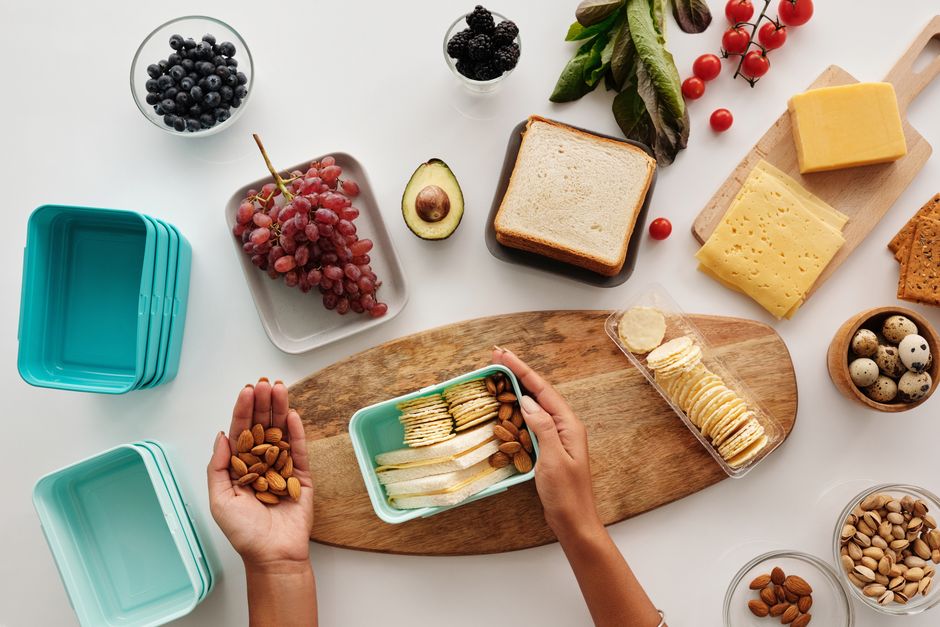
The common mistakes are predictable. Travelers wait until boarding to move, buy a sweet snack when they are already starving, and carry more food than they can finish. A better plan gives each item one job: movement for stiffness, water for thirst, and a measured snack for hunger.
- Do not stretch beside a moving walkway. Find a stable area with clear space and keep luggage out of the traffic path.
- Do not buy a giant meal for a short connection. For a 60-to-90-minute layover, a banana plus a Chomps stick or half a KIND bar is enough for many travelers.
- Do not rely on sugar alone. Candy and pastries are cheap in calories but poor at lasting through a delay. Pair carbohydrate with protein or nuts.
- Do not assume a hydration powder is automatically healthier. Check sodium and added sugar. Liquid I.V. makes more sense after heat or heavy sweating than during a cool indoor wait.
- Do not ignore warning signs. Sudden swelling, severe pain, weakness, or trouble breathing needs medical attention, not another stretch.
When not to buy a packaged bar
Skip a bar if you already have a balanced meal, dislike its ingredients, or have a medical reason to limit its protein, sodium, nuts, or sweeteners. Buy fresh food instead when the terminal offers a reasonably priced banana, yogurt, or simple sandwich.
Bottom line
| Situation | Best choice | Why |
|---|---|---|
| Short layover | Walk, water, fruit | Fast, light, and inexpensive |
| Long or delayed layover | RXBAR plus fruit | Portable protein with steadier energy |
| Very small appetite | Chomps stick or crackers | Small portion and easy storage |
| Heat or heavy sweating | Water with measured electrolytes | Replaces fluid and sodium without treating every layover like an emergency |