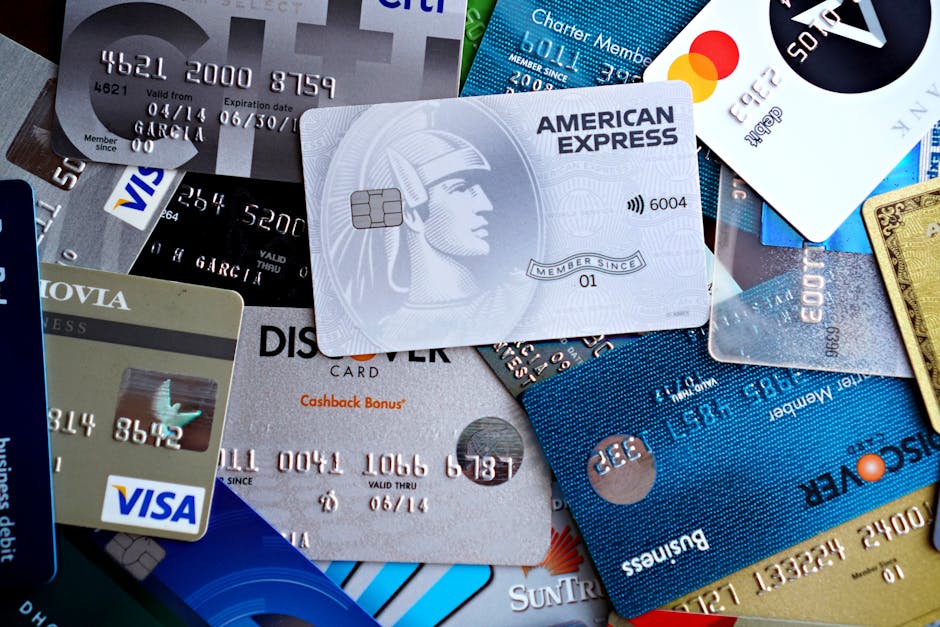
Mastercard Travel Rewards is a card-linked cashback program, not a universal points balance that every Mastercard holder receives. Eligible cardholders link a qualifying card, browse available offers, meet each offer’s rules, and receive cashback after the transaction is checked. The offer may apply to a hotel, rail company, restaurant, retailer, or online merchant in a specific destination.
For a family trying to lower the cost of a trip, the useful question is not simply, “How much cashback does this offer advertise?” The better question is, “Would we make this purchase anyway, and does the reward still beat the card fee, foreign-exchange cost, and price elsewhere?” That simple test prevents a small rebate from turning into an expensive detour.
Mastercard Travel Rewards is not the same as card points
The name causes confusion because Mastercard supports several different travel-related services. Mastercard Travel Rewards focuses on targeted cashback offers. The rewards program attached to your bank card may instead earn points, airline miles, or a fixed percentage of cashback on ordinary spending. Mastercard Travel & Lifestyle Services may help eligible cardholders book or access travel benefits, but booking through that service is not the same as earning a Travel Rewards offer.
| Program or card feature | What it usually provides | Who controls the details | Main check before using it |
|---|---|---|---|
| Mastercard Travel Rewards | Cashback on selected purchases after offer rules are met | Mastercard platform and issuing bank | Offer dates, merchant, currency, spend threshold, and activation steps |
| Bank rewards program | Points, miles, or general cashback from eligible card spending | Your card issuer | Earn rate, redemption value, expiry, and annual fee |
| Mastercard Travel & Lifestyle Services | Travel booking support, selected perks, or access programs | Mastercard and participating providers | Booking price, cancellation rules, and eligibility |
| World, World Elite, or World Legend Mastercard | Different levels of travel, dining, entertainment, and concierge benefits | Mastercard and the issuing bank | Whether your exact card includes the advertised benefit |
Why the card logo does not prove eligibility
A card displaying the Mastercard logo may not qualify for Mastercard Travel Rewards. Eligibility can depend on the issuing bank, country, card type, and offer campaign. Mastercard’s own program page says cardholders should sign in with an eligible card and that the offers are provided through the bank that issued the card. Check the official Mastercard Travel Rewards portal before planning around a rebate.
Why premium Mastercard benefits are separate
World Elite Mastercard and World Legend Mastercard may include travel access, concierge services, lounge programs, or special experiences, but those benefits do not guarantee a cashback offer. Mastercard also states that insurance availability varies by issuer. Treat each benefit as a separate line in your value calculation, not as proof that the whole card is a good deal.
The real value is the net saving, not the headline percentage

What the rebate actually changes
Mastercard Travel Rewards can reduce the final cost of a purchase, but it does not usually reduce the price at checkout. The transaction may post at the full amount first, with the reward appearing later as a credit or account adjustment under the applicable program terms.
The family-budget test
For a family trip, an offer is useful only when the merchant, price, location, and timing already fit the plan. A $10 reward on a $100 purchase is a 10% saving; it is not a saving if the same item costs $25 more than it does elsewhere or if the family adds an unnecessary stop. My verdict is simple: use the offer only when the purchase survives a normal price check without the cashback.
How the cashback workflow works from trip planning to statement credit
The program works best when you treat it like a small audit trail. Save the offer, confirm the qualifying card, record the deadline, and keep the receipt until the credit appears. Mastercard’s live portal shows examples such as a fixed cashback amount after a minimum spend, but offers vary by location and can change. One displayed offer may require spending EUR 500 for EUR 50 cashback at a named retailer, while another may offer EUR 10 after a EUR 100 purchase with a travel merchant. Those examples show the structure of the program, not a permanent rate.
Step 1: Confirm the card and destination
Sign in to the Mastercard Travel Rewards site or the issuer’s linked platform. Add the eligible card if registration is required. Check the destination, merchant name, transaction currency, minimum spend, maximum reward, start date, end date, and whether the offer applies in-store, online, or both. A destination offer may require the cardholder to make the purchase while traveling outside the card’s issuing country. An online offer may work from home, but only through the stated link and currency.
Step 2: Read the activation label
Offers can use different labels, including “Ready to Use,” “Add to Card,” and “Click to Use.” A Ready to Use offer may not need a separate registration step. An Add to Card offer may require you to log in and attach the offer before shopping. A Click to Use offer may require you to open the merchant link and complete the purchase in that session. Skipping this step is one of the easiest ways to make a qualifying-looking purchase that earns nothing.
Step 3: Wait for validation and check the account
Cashback is not always instant. Some issuer guidance says Ready to Use and Add to Card rewards may take up to 30 days, while Click to Use offers may take up to 120 days. Other campaigns use different time limits. Save the confirmation screen, receipt, and transaction date. If the reward does not appear after the stated window, contact the issuing bank first because the bank normally handles the account credit and offer dispute.
For a family budget, record the expected reward beside the purchase in a simple spreadsheet. Use three columns: transaction amount, promised cashback, and date credited. That makes missing rewards visible and keeps a delayed credit from being mistaken for immediate spending money.
Five mistakes that erase travel cashback

The offer headline is only one part of the contract. These are the failure points that matter most:
- Buying from the wrong merchant entity. A shopping center, hotel group, railway brand, and individual outlet may use different payment entities. The offer may name one merchant while excluding franchises or concession counters.
- Missing the spending threshold. A reward that requires $100 may not count a $99.80 transaction. Taxes, delivery fees, tips, gift cards, refunds, and split payments may receive different treatment.
- Using the wrong card. A cardholder can have several cards from the same bank, but the offer may be linked to one registered card number. A family member’s supplementary card may not qualify unless the terms include it.
- Ignoring currency and exchange costs. A cashback reward can be outweighed by a foreign transaction fee or a poor currency conversion. Compare the final home-currency cost, not just the advertised reward in euros, pounds, dollars, or another currency.
- Returning the purchase. A refund, cancellation, or reversed transaction can remove eligibility. Keep the original terms until the reward posts and the return period has passed.
There is also a basic safety rule: do not carry a credit-card balance to earn cashback. Interest can erase a 5% or 10% reward in a short time. Families working with a fixed travel budget should pay the statement in full, set a spending cap before departure, and avoid treating a future rebate as money already available.
My recommendation: use Mastercard Travel Rewards as a bonus layer
Use Mastercard Travel Rewards as a discount on a purchase you already planned, not as the reason to choose a merchant or open a premium card. That position is based on how the program works: offers are targeted, eligibility varies, credits can be delayed, and the bank sets many account-level terms.
For someone who already holds an eligible World Mastercard, World Elite Mastercard, or World Legend Mastercard, checking the portal before booking a family activity can be worthwhile. A qualifying rail ticket, attraction, meal, or online purchase may produce a clean rebate with little extra effort. The value is strongest when the reward is fixed, the purchase is already in the itinerary, and the offer does not require a higher price.
For someone choosing a new card, compare the full cost first. Check the annual fee, foreign transaction fee, interest rate, ordinary earn rate, travel insurance, lounge rules, and redemption limits. Mastercard Travel Rewards should sit near the bottom of that checklist because it is an occasional offer, not a guaranteed return on every trip.
Travel insurance deserves its own check. If a card includes trip cancellation, medical, baggage, or rental-car cover, the insurer’s policy wording controls the claim. AM Best ratings and J.D. Power scores can help when comparing separate insurance providers or service quality, but neither score proves that a cashback offer has good value. Separate travel insurance premiums vary by state and individual factors, so get multiple quotes rather than assuming a card benefit replaces a policy.
Questions families ask before using the program
Is Mastercard Travel Rewards the same as airline miles?
No. Airline miles normally sit inside an airline or bank loyalty account and may be redeemed for flights, upgrades, or other travel rewards. Mastercard Travel Rewards is built around selected cashback offers. The reward normally reduces the card account balance or appears as a credit under the offer’s terms. It does not automatically become airline miles, hotel points, or a transferable bank currency.
Do all Mastercard cards earn Travel Rewards?
No. The Mastercard logo only identifies the payment network. Eligibility depends on the card, issuer, country, and campaign. Even premium card families such as World Elite Mastercard may have different benefits in different markets. Use the official portal or ask the issuing bank to confirm eligibility for the exact card number.
Can the cashback arrive immediately?
Usually, you should not plan on an instant discount at the checkout. Some offers are processed quickly, while others can take several weeks or longer after a Click to Use purchase. The offer’s own terms control the deadline. Keep proof of activation and the receipt until the credit appears.
When should a family skip an offer?
Skip it when the merchant is more expensive, the offer requires an unnecessary trip across town, the currency fee cancels the reward, or the purchase would strain the monthly budget. A cashback offer is not a reason to spend more. It is useful only when the underlying purchase is already sensible.
That is the practical meaning of Mastercard Travel Rewards: a targeted cashback tool attached to selected Mastercard accounts. Check the exact terms, compare the final price, and treat the credit as a delayed rebate rather than guaranteed travel money.