It is Friday at 4:30 p.m. The children are already asking when you will leave, one parent is still packing snacks, and the camping store receipt is sitting at $280. The campsite is only 45 minutes away, so the trip should not cost that much.
A better plan is simple: choose a nearby site, share the large items with another family, and cook food that uses the same few ingredients across two days. You can have a comfortable weekend camping near home without buying four sleeping bags, two stoves, and a separate cooler for every household.
Choose a nearby campsite that makes the weekend easy
The best first camping trip is close enough to rescue by car. Pick a campground within 30 to 90 minutes of home, with toilets, drinking water, a flat tent area, and a short walk from the parking area. Distance matters less than friction. A site that takes three hours to reach can turn a two-night trip into a tiring packing exercise, especially with young children.
Use a practical site checklist
Before reserving, check the site map and recent visitor information. Look for a level pitch that is at least 12 by 20 feet, enough room for one family tent and a small cooking area. Confirm quiet hours, fire rules, food-storage rules, and the distance to the nearest restroom. A nearby grocery store or fuel station gives you a safety net, but do not plan on making multiple emergency trips. The goal is convenience, not a campsite in the middle of a shopping district.
Match the trip to your family’s energy
For a first weekend, arrive before sunset on Saturday morning and leave after breakfast on Sunday. This gives everyone time to set up in daylight and still makes the trip feel like a real break. Families with toddlers should choose a site with short walking trails and shade. Families with older children can add a swimming area, nature center, or a simple one-mile loop trail. Avoid remote sites, steep tent platforms, and campgrounds with no water until your group knows how well it handles outdoor routines.
Reserve two neighboring sites only when the extra space solves a real problem. One large shared site usually costs less and makes meals, supervision, and gear handoffs easier.
Build a two-day camping meal plan from five ingredients
Camp meals work best when breakfast and dinner share ingredients. You do not need a different recipe for every meal. Choose one protein, one starch, two vegetables, fruit, and a breakfast base. Pack portions before leaving home so the campsite becomes a reheating and assembly station instead of a full kitchen.
Follow the simple meal pattern
Use this pattern for four people. Prepare the pasta salad and chopped vegetables at home. Keep raw meat in a sealed container at the bottom of the cooler, and use a separate bag for ready-to-eat food. Bring one extra meal that needs no cooking in case rain delays setup.
| Time | Meal | Shared ingredients | Prep at home |
|---|---|---|---|
| Saturday lunch | Wraps with turkey, cheese, lettuce, and apples | Tortillas, turkey, cheese, fruit | Slice cheese and wash fruit |
| Saturday dinner | One-pot tomato pasta with spinach | Pasta, sauce, spinach, Parmesan | Measure pasta and sauce |
| Sunday breakfast | Oatmeal with bananas and peanut butter | Oats, bananas, peanut butter | Make individual oat bags |
| Sunday lunch | Cold pasta salad and carrots | Cooked pasta, vegetables, dressing | Mix and chill before departure |
Keep cooking under 30 minutes
Boil pasta at home if the children dislike waiting for dinner. At camp, warm the sauce, stir in the pasta, and add spinach during the final two minutes. Use one pot and one serving spoon. Breakfast should take ten minutes, not become a pancake production line. Keep snacks visible but portioned: four fruit pieces, four granola bars, and one bag of crackers prevent constant cooler opening.
For four people, allow about $35 to $55 for groceries if you shop at home and already own basic pantry items. Buy ice locally instead of carrying it for hours. Pack all food in a labeled day-one bag and a labeled day-two bag so nobody empties the weekend supply on Saturday afternoon.
Pack the cooking kit in five controlled steps
Use a small cooking kit that matches the menu. Extra equipment creates extra washing, fuel use, and missing parts.
- Choose the stove last. For four people eating one-pot meals, the Coleman Triton 2-Burner Propane Camping Stove is a solid shared option at a listed $119.99. It produces 22,000 total BTUs, fits one 10-inch pot and one 12-inch pan, weighs 10.55 pounds, and runs up to one hour on high with a 16-ounce propane cylinder. It is the best pick when you need soup on one burner and pasta or vegetables on the other.
- Bring one 10-inch pot, one 12-inch pan, one cutting board, one knife, one serving spoon, four bowls, four cups, and four utensils. The GSI Outdoors Halulite Dualist HS Cookset costs $99.95 and includes a 1.8-liter boiler, two mugs, two bowls, utensils, a strainer lid, and a sink sack. It is useful for two people, but a family of four may need extra bowls.
- Pack fuel separately from food and check the stove connection at home. Follow the manufacturer’s instructions, keep the stove outside on a stable surface, and never cook inside a tent or enclosed vehicle.
- Use a wash basin with warm water, a small amount of soap, and a drying towel. Scrape food into a trash bag before washing. This keeps the campground sink cleaner and reduces water use.
- Make a final departure count: stove, fuel, pot, pan, lighter, knife, board, utensils, soap, towel, trash bags, and cooler. A missing lighter can turn a five-minute breakfast into a cold-food morning.
Skip the two-burner stove when the menu only contains sandwiches, fruit, and cold pasta. In that case, a borrowed single burner or no stove saves space and avoids carrying propane. The stove is a tool for the meal plan, not proof that the trip is properly equipped.
What can go wrong on a family camping weekend?
What if rain starts during setup?
Pause the unpacking and get the tent body, poles, and rainfly up first. Put sleeping gear inside only after the floor is dry. Keep one plastic tote for clothes and electronics. Do not spread mattresses, toys, and food around the site before the shelter is ready. If heavy rain is forecast for the entire weekend, move the reservation rather than trying to turn a first family trip into a weather test.
What if the children refuse the food?
Keep one familiar backup meal that needs no cooking, such as peanut butter sandwiches, crackers, bananas, or cheese. Do not build a separate menu for every person. Offer the main meal, then use the backup without turning dinner into a negotiation. Pack enough food for one extra serving because outdoor activity often increases appetite.
What if the shared gear is missing?
Use the written list at the car before leaving home. Check poles against the tent sleeve, test the stove with the correct fuel, and count chairs and sleeping pads. If one essential item is missing, replace it before driving to the campground. A nearby trip makes this possible; a remote destination does not. The most common family camping mistake is trusting memory when a checklist would take two minutes.
Also check campsite rules before bringing firewood, a grill, or a pet. Rules vary by park and can change during dry weather. Pack a small first-aid kit, sunscreen, insect repellent, and closed-toe shoes for each child. These items cost little compared with cutting a weekend short because someone has blisters or a minor scrape.
Set a shared budget before you leave home
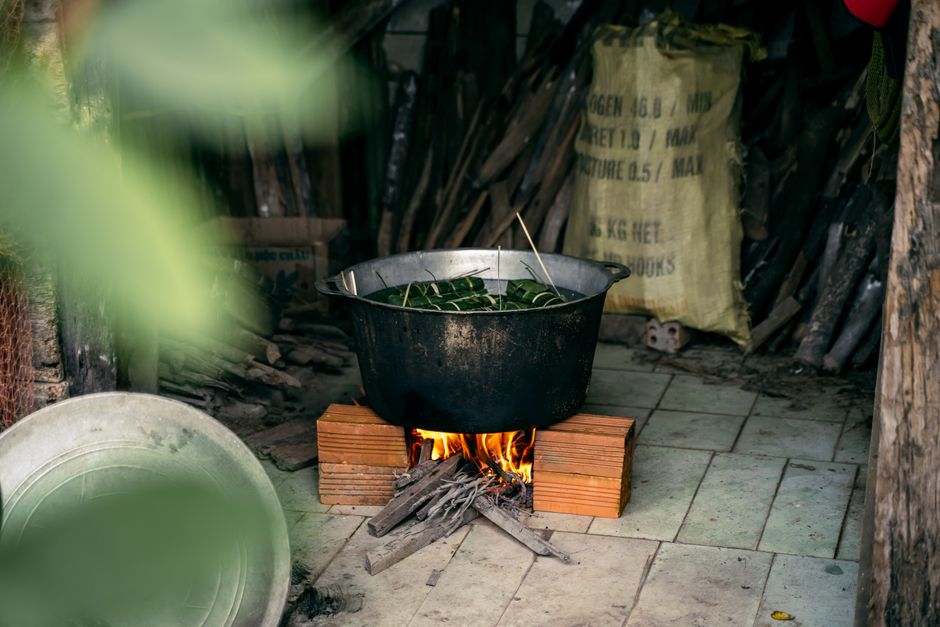
Set one trip budget and split shared costs by family size. This removes awkward math at the campsite and stops small purchases from becoming a surprise bill. For a two-family weekend with four people in each group, aim for roughly $160 to $240 before equipment purchases, depending on campground fees and fuel distance.
Use this sample 2026 budget
| Cost | Shared amount | Split for two families |
|---|---|---|
| Two nights at a local campground | $70 | $35 per family |
| Groceries for eight people | $85 | $42.50 per family |
| Ice and drinking water | $15 | $7.50 per family |
| Propane or cooking fuel | $12 | $6 per family |
| Vehicle fuel | $30 | $15 per family |
| Total | $212 | $106 per family |
Buy only the missing category
After the shared checklist is complete, make a gap list. If you already have shelter, cooking gear, and lighting covered, spend on sleeping pads or rain protection instead of buying a complete camping set. For a family starting from zero, borrowing large items is better than purchasing everything before the first trip. Rent or borrow a cooler, chairs, and tent when possible. Buy personal items such as sleeping bags, headlamps, and shoes when you know the family will camp again.
That Friday afternoon family can now leave at 5 p.m. with food labeled, gear assigned, and a $106 share instead of a $280 receipt. The campground is still only 45 minutes away, but the weekend feels longer because the plan removes the expensive, stressful parts. After breakfast on Sunday, everyone packs the same checklist they used on arrival and heads home with clean gear, leftovers, and a reason to reserve the next nearby site.