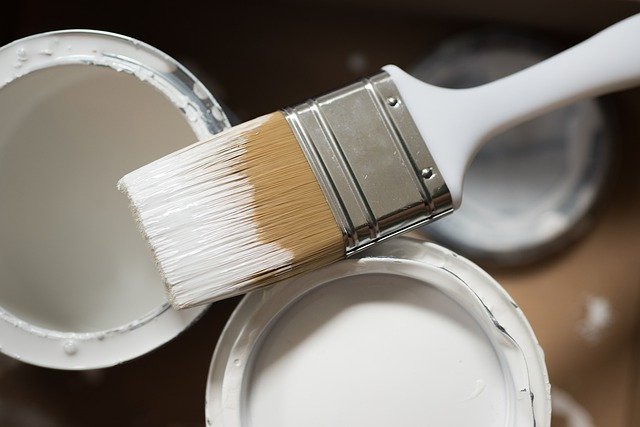
Many homeowners believe that improving their living space means committing to massive, budget-breaking renovations or hiring expensive professionals for every little task. That’s a common misconception. The truth is, the most impactful home improvements often don’t require an architect or a second mortgage. Small, strategic do-it-yourself projects can dramatically enhance your home’s aesthetics, functionality, and even its long-term value, often for just a few hundred dollars and a weekend’s worth of effort. Focusing on these attainable changes allows you to enjoy a refreshed environment without the stress and financial strain of a full-scale remodel.
Forget the notion that a truly improved home needs a total overhaul. Smart homeowners understand that genuine value comes from thoughtful, targeted enhancements. These aren’t just about curb appeal for a future sale; they’re about daily enjoyment, improved efficiency, and creating spaces that genuinely work better for you. We’re talking about tangible upgrades that you can see, feel, and use every single day.
The Myth of the ‘Big Renovation’ ROI
It’s often touted that major renovations, like a kitchen gut or a bathroom overhaul, offer the best return on investment (ROI). While they certainly can add value, the reality is far more nuanced, and often, the financial returns rarely match the upfront costs dollar-for-dollar, especially for personalized choices. The real ROI for many homeowners isn’t purely monetary; it’s about comfort, functionality, and living in a space they love. However, even within that, smaller, more manageable projects often deliver a disproportionately high return on happiness and perceived value for a fraction of the cost.
Consider a full kitchen remodel costing $50,000 to $80,000. You might recoup 60-70% of that cost upon sale. Now, think about refreshing kitchen cabinets with paint and new hardware, adding modern lighting fixtures, and upgrading the faucet for under $1,500. The visual transformation is significant, the daily enjoyment is immediate, and the buyer’s perception of a well-maintained, updated home is boosted. This smaller investment can make your kitchen feel brand new without the disruption or the steep financial commitment. The key is understanding that perceived value isn’t just about what’s new, but what feels fresh, clean, and functional.
Prioritizing Enjoyment Over Speculation
Instead of chasing speculative future sale value with massive projects, homeowners should focus on improvements that enhance their current quality of life. Do you hate your dark hallway? Install brighter, energy-efficient LED lighting. Is your bathroom tile outdated but structurally sound? A simple regrouting and fresh caulk, followed by a coat of specialized tile paint, can transform it for under $100. These are projects that directly address daily frustrations and provide immediate gratification. The goal isn’t just to increase a future appraisal number; it’s to make your home a more pleasant, efficient, and comfortable place to live right now. Investing in your immediate environment often has a far more tangible return in terms of daily well-being than a distant, uncertain financial gain from a huge renovation.
Cost-Benefit Analysis of Common DIY vs. Pro Projects
Many tasks that seem daunting are actually quite approachable for a dedicated DIYer. Painting an entire room, installing a smart thermostat, or upgrading light fixtures are well within reach for most people with basic tools and a good tutorial. Compare the cost of hiring a painter (easily $500-$1000 per room) versus spending $80-$150 on quality paint and supplies yourself. Or consider a professional electrician to install a new ceiling fan ($200-$400 labor) against tackling it yourself with careful safety precautions and a partner. The savings are substantial. Knowing when to call a pro (e.g., major electrical panel work, structural changes, complex plumbing) versus when to roll up your sleeves is a critical skill for any homeowner.
Smart Swaps: High-Impact Upgrades for Under $200
You don’t need to spend thousands to see a noticeable difference. Many home improvement projects offer excellent bang for your buck, creating significant visual or functional impact without draining your bank account. These are the kinds of quick wins that make a home feel cared for and updated.
Comparing High-Impact, Low-Cost Projects
| Project | Estimated Cost (DIY) | Impact Level | Key Benefit |
|---|---|---|---|
| Fresh Interior Paint (1 room) | $80 – $150 (for paint + supplies) | Very High | Instant aesthetic refresh, improved mood |
| Upgrading Lighting Fixtures (1-2) | $50 – $200 (fixture + bulbs) | High | Modernizes look, better illumination |
| Replacing Faucets (Kitchen/Bath) | $70 – $180 (faucet only) | Medium-High | Updated style, better function, water savings |
| Smart Thermostat Installation | $120 – $200 (device only) | High | Energy savings, remote control, comfort |
| New Cabinet Hardware | $40 – $100 (for 20 pulls/knobs) | Medium | Quick kitchen/bath update, fresh feel |
Choosing a fresh paint color, for instance, can entirely change the mood of a room. A gallon of quality paint, like Behr Premium Plus Interior Paint, costs around $40, and with some tape and rollers, you can transform a bedroom in a weekend. Swapping out an old, builder-grade light fixture for a more contemporary one, such as a simple semi-flush mount from a big box store for $60-$100, instantly modernizes a space. These are tangible, noticeable improvements that don’t require extensive skill or specialized tools beyond a screwdriver and a steady hand.
Mastering Interior Paint: A Step-by-Step Approach
Painting is arguably the most transformative and cost-effective home improvement project. A fresh coat of paint brightens a room, hides imperfections, and allows you to redefine its entire feel. However, getting a professional-looking finish requires more than just slapping paint on the walls. Precision in preparation and application makes all the difference.
- Preparation is : Don’t skip cleaning. Wash walls with a mild detergent solution (like TSP substitute) to remove grease and grime. Fill nail holes and small cracks with spackle, sand smooth, and then wipe away dust. Tape off trim, baseboards, and ceilings meticulously with painter’s tape like FrogTape Multi-Surface ($8 per roll). This alone will save you hours of touch-up work.
- Prime for Success: If you’re painting over a dark color, glossy surface, or patching drywall, a good primer is non-negotiable. Zinsser B-I-N Shellac-Base Primer ($55/quart) works wonders for stain blocking and adhesion. For general purposes, Kilz 2 All-Purpose Primer ($20/gallon) is often sufficient. Primer ensures true color representation and a smoother final coat.
- Choose the Right Paint and Finish: Not all paints are created equal. For high-traffic areas like living rooms and hallways, a durable eggshell or satin finish is ideal, offering some sheen and easy cleaning. For bedrooms, a matte or flat finish can hide imperfections better and provide a softer look. Brands like Sherwin-Williams Emerald Interior Acrylic Latex ($90/gallon) offer excellent coverage and washability, while Behr Premium Plus ($40/gallon) provides solid performance at a lower price point. Consider a paint-and-primer-in-one for simplicity, but don’t rely solely on it for major color changes or tricky surfaces.
- Technique Matters: Use a high-quality angled brush for cutting in along edges and corners. Roll large wall sections using a roller with the appropriate nap length for your wall texture (thicker nap for textured walls). Work in small sections, moving from top to bottom, using a ‘W’ or ‘M’ pattern, then filling it in. Maintain a wet edge to avoid lap marks. Apply two thin coats rather than one thick one for better durability and appearance.
- Cleanup and Curing: Remove painter’s tape before the paint is fully dry but no longer tacky, usually within an hour of the final coat, to prevent peeling. Clean brushes and rollers thoroughly with warm, soapy water. Allow paint to fully cure (this can take several days to a few weeks, depending on humidity and paint type) before placing furniture against walls or hanging artwork.
Unmasking Your Home’s Hidden Energy Drainers
Many homeowners are unknowingly throwing money away each month due to inefficiencies in their homes. These aren’t always obvious leaks or broken appliances; often, they are subtle energy vampires that steadily drain your wallet. Identifying and addressing these issues can lead to significant savings on utility bills and improve overall home comfort without extensive remodeling.
What are the biggest culprits for energy loss?
Drafts around windows and doors are massive energy wasters. Even tiny gaps allow conditioned air to escape in winter and seep in during summer. Old, single-pane windows are notorious for poor insulation. Beyond openings, inadequate attic insulation is a prime suspect. Heat rises, and if your attic isn’t properly sealed and insulated, vast amounts of heat simply escape through the roof. Similarly, unsealed ductwork in attics or crawl spaces can lose a substantial percentage of the heated or cooled air before it even reaches your living areas.
How can I identify these energy drains myself?
A simple DIY draft test can reveal much. On a windy day, light an incense stick or hold a thin piece of tissue paper near windows, doors, electrical outlets on exterior walls, and recessed lighting fixtures. If the smoke or tissue moves, you have a draft. For insulation, a quick trip to the attic can tell you if your insulation is sparse, uneven, or compressed. Look for R-value recommendations for your climate zone; if you can easily see your ceiling joists, you likely don’t have enough. For ductwork, a visual inspection for gaps, tears, or disconnected sections is often sufficient. You can also feel for air leakage around joints when your HVAC system is running.
What are the most effective DIY fixes for energy loss?
For drafts, weatherstripping and caulk are your best friends. Apply fresh caulk around window frames and baseboards where they meet exterior walls. Install new adhesive-backed foam weatherstripping around doors and windows (a 17-foot roll of Duck Brand Foam Weatherstrip Seal costs about $7). For outlets, foam outlet gaskets (around $5 for a 10-pack) are easy to install. In the attic, adding blown-in cellulose insulation (around $0.50-$1.00 per square foot for materials, often with free blower rental from hardware stores) can dramatically improve your home’s thermal envelope. Seal major ductwork leaks with mastic sealant or specialized aluminum foil tape, not regular duct tape, which degrades over time. Installing a smart thermostat like the Google Nest Thermostat ($130) or the ecobee Lite Smart Thermostat ($150) can also intelligently manage your heating and cooling to reduce waste.
The Underrated Power of Thoughtful Lighting Design
Underestimating the impact of good lighting is one of the biggest mistakes homeowners make. It’s more than just brightness; it’s about mood, functionality, and even your well-being. A well-lit home feels larger, more inviting, and more sophisticated, regardless of its actual size or decor. Conversely, poorly lit spaces can feel cramped, gloomy, and unwelcoming. Investing time and a modest budget into optimizing your home’s lighting setup yields enormous dividends in daily comfort and aesthetic appeal.
Layering Light: Ambient, Task, and Accent
Effective lighting design employs three layers: ambient, task, and accent. Ambient light provides general illumination for a room, often from ceiling fixtures or recessed lighting. Task lighting focuses brightness where activities happen, like under-cabinet lights in a kitchen or a desk lamp. Accent lighting highlights specific features, such as artwork or architectural details. Most homes rely too heavily on a single, overhead ambient light source, which creates harsh shadows and dim corners. By incorporating all three, you create a dynamic, functional, and visually appealing space. For ambient light, consider installing dimmable recessed LED lights, like a pack of six Philips UltraDefinition 6-inch Dimmable LED Downlights for about $70. For task lighting, a simple clamp-on reading lamp for a desk or a set of GE Reveal LED bulbs ($12 for a 4-pack, 800 lumens, 2850K) in existing fixtures can make a huge difference.
Color Temperature and Dimming Capabilities
The color temperature of your bulbs, measured in Kelvin (K), dictates the mood. Warm white (2700K-3000K) creates a cozy, inviting atmosphere, ideal for living rooms and bedrooms. Cool white (3500K-4000K) is brighter and more energizing, perfect for kitchens, bathrooms, and home offices. Avoid mixing drastically different color temperatures within the same visual space unless intentional. Furthermore, installing dimmer switches (around $15-$30 per switch) on main light sources offers unparalleled flexibility, allowing you to adjust the intensity to suit different activities or times of day. Smart bulbs like Philips Hue White and Color Ambiance A19 Bulb ($50/bulb) offer full control over both color temperature and brightness via an app, albeit at a higher initial cost.
Strategic Fixture Placement and Bulb Selection
Beyond the bulb itself, the placement and type of fixture are crucial. In kitchens, combining overhead ambient light with under-cabinet task lighting eliminates shadows over countertops. In bathrooms, sconces mounted at eye level on either side of a mirror provide flattering, shadow-free illumination for grooming. For living rooms, floor lamps and table lamps add warmth and break up overhead monotony. Always choose energy-efficient LED bulbs; they last years longer than traditional incandescents and consume a fraction of the power, making the initial investment quickly worthwhile.
The single most important takeaway is that meaningful home improvements don’t demand a king’s ransom; they require smart choices and a willingness to learn.