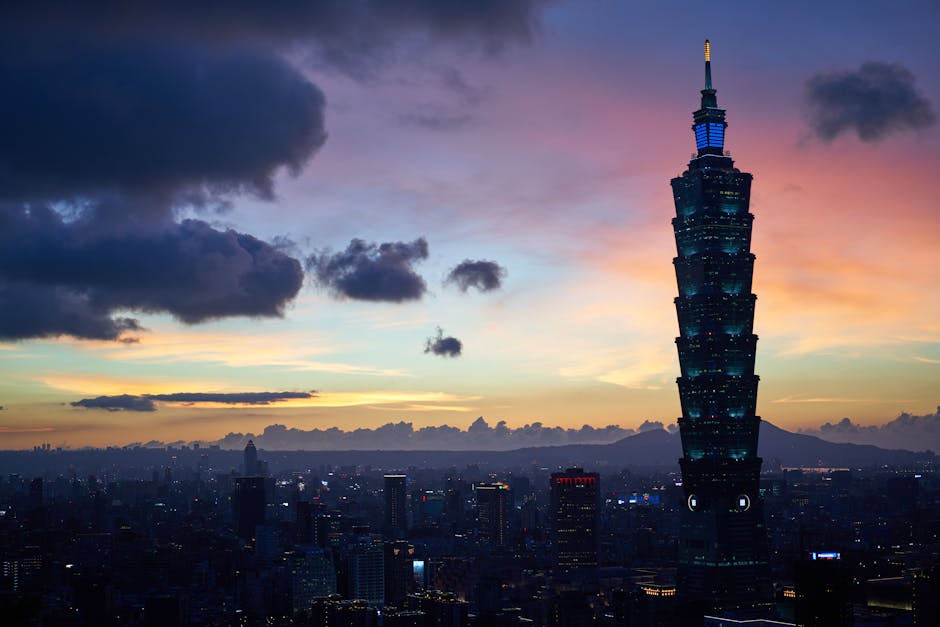
Taipei has one of the highest densities of 24-hour convenience stores on the planet, but here is a statistic that usually surprises first-time visitors: the city added over 3,000 high-end hotel rooms to its inventory in a five-year span that saw most of the world’s tourism sectors retracting. This aggressive expansion transformed the skyline, moving the center of gravity from the historic western districts toward the gleaming glass towers of Xinyi. If you are planning a trip, you aren’t just looking for a bed; you are navigating a city that treats hospitality as a high-stakes competition of amenities, architecture, and, perhaps most importantly, breakfast spreads.
Choosing the right base in Taipei is less about the quality of the room—which is generally high across the board—and more about how much friction you want to remove from your daily itinerary. The city is a sprawling collection of micro-neighborhoods, each with a distinct personality. A hotel in the Xinyi district offers a completely different experience than one in the leafy alleys of Da’an or the hot-spring-scented air of Beitou. This analysis looks beyond the marketing fluff to examine which properties actually deliver on their promises of comfort and convenience.
Choosing the Right Neighborhood: Xinyi vs. Zhongshan vs. Da’an
Before looking at specific properties, you have to decide which version of Taipei you want to wake up in. The city’s layout is logical, but the vibe shifts dramatically every few MRT stops. If you choose the wrong area, you’ll spend half your trip underground in the transit system—which is clean and efficient, but not exactly why you flew across the ocean.
Xinyi District: The Modern Powerhouse
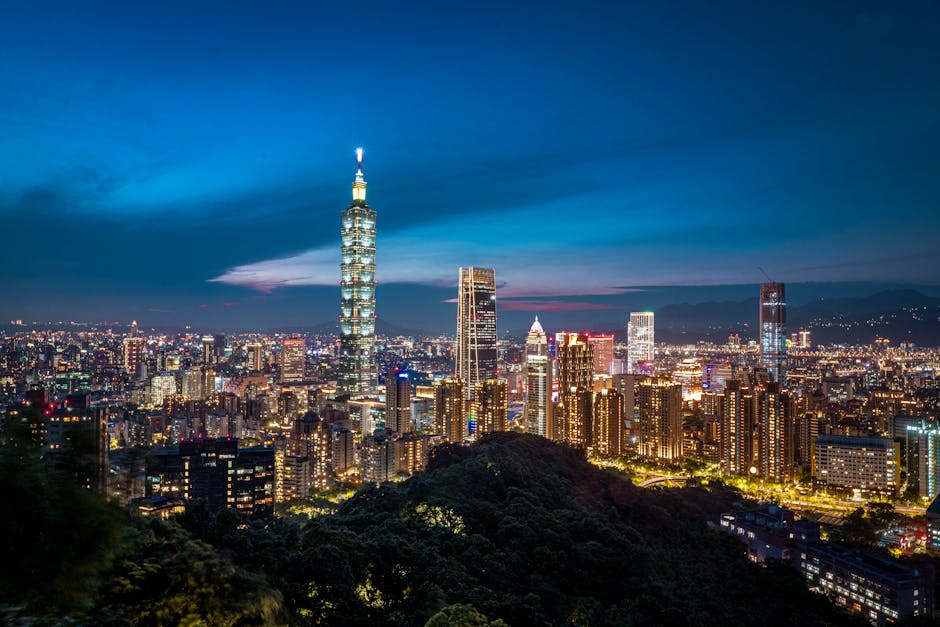
Xinyi is often called the Manhattan of Taipei. It is home to Taipei 101, the city’s most famous landmark, and a dizzying array of interconnected department stores. Staying here means you are in the heart of the action. You have immediate access to high-end dining, rooftop bars, and the most prestigious corporate offices. The downside? It can feel a bit sterile. It lacks the gritty charm of the older districts, and you will pay a premium for the location.
Zhongshan District: The Cultural Anchor
Zhongshan is where the old soul of Taipei resides. Historically influenced by Japanese occupation, this area is a mix of narrow lanes, traditional tea houses, and some of the city’s most established luxury hotels. It’s a bit more central for exploring both the northern parts of the city (like the National Palace Museum) and the southern hubs. It’s the best choice for travelers who want a mix of history and modern convenience without the skyscraper-heavy feel of Xinyi.
Da’an District: The Local’s Choice
If you want to feel like a resident rather than a tourist, Da’an is the answer. This is where the wealthy locals live. It’s packed with boutique coffee shops, independent fashion labels, and the famous Yongkang Street food scene. Hotels here tend to be smaller and more design-focused. You won’t find the massive 800-room behemoths here; instead, you get intimate service and a neighborhood feel that is hard to replicate elsewhere.
Top-Tier Luxury: The Heavyweights of Taipei’s Five-Star Scene

When money is less of an object and you want a property that functions as a destination in itself, Taipei has three or four standout options. These hotels aren’t just places to sleep; they are social hubs for the city’s elite. The service standards in Taiwan are influenced by a blend of Japanese precision and Chinese hospitality, resulting in an experience that often exceeds what you find in Europe or North America at the same price point.
Mandarin Oriental Taipei: The European Escape
Located on Dunhua North Road, the Mandarin Oriental feels like a French chateau dropped into the middle of a subtropical city. It took nearly a decade to build, and the attention to detail is obsessive. The rooms are some of the largest in the city, starting at 55 square meters.
- Approximate Price: $450 – $600 USD per night.
- Pros: Unrivaled privacy, world-class spa facilities, and an afternoon tea service that is booked out weeks in advance.
- Cons: It is not directly on an MRT line; you will need to walk about 8-10 minutes to the nearest station or rely on taxis.
Grand Hyatt Taipei: The Integrated Giant
If you want to be as close to Taipei 101 as possible, this is it. The Grand Hyatt is a massive operation with over 800 rooms. It’s a city within a city, featuring multiple award-winning restaurants and a lobby that is constantly buzzing with activity. There is a persistent local legend that the hotel is haunted (built on a former wartime site), but the management has long since installed feng shui masters and scrolls to neutralize any bad vibes. Most travelers just find it incredibly convenient.
- Approximate Price: $280 – $400 USD per night.
- Pros: Immediate access to the Taipei World Trade Center and the MRT; the best outdoor pool in the city.
- Cons: The sheer size can make the service feel impersonal during peak check-in hours.
Regent Taipei: The Timeless Classic
The Regent is a favorite for celebrities and diplomats. It’s located in Zhongshan and manages to feel modern despite being one of the city’s older luxury properties. Their “Tai Pan” club floor is widely regarded as one of the best executive lounges in Asia. If you value a high-end shopping experience, the hotel’s basement is literally a luxury mall (Galleria) featuring Chanel, Hermès, and Louis Vuitton.
- Approximate Price: $300 – $450 USD per night.
- Pros: Exceptional service-to-guest ratio and a rooftop pool with a view of the city’s older skyline.
- Cons: The surrounding area can feel a bit congested with traffic.
| Hotel Name | District | Vibe | Key Feature |
|---|---|---|---|
| Mandarin Oriental | Songshan | Opulent/Classic | Largest standard rooms |
| Grand Hyatt | Xinyi | Business/Grand | Next to Taipei 101 |
| Regent Taipei | Zhongshan | Timeless/Sophisticated | Top-tier Club Lounge |
| W Taipei | Xinyi | Modern/Social | Rooftop pool scene |
Boutique and Concept Hotels: Design-Forward Stays
Not everyone wants a gold-leafed lobby and a doorman in a top hat. Over the last decade, Taipei has seen a surge in boutique hotels that focus on local art, storytelling, and unique architecture. These properties often offer a more curated experience that reflects the specific subculture of their neighborhood.
Kimpton Da’an: The Minimalist Sanctuary
Designed by the world-renowned Neri&Hu, the Kimpton Da’an is tucked away in the narrow alleys of the Da’an district. It’s a masterclass in modern minimalism—lots of white tiles, brass accents, and greenery. It’s also famously pet-friendly, which is a rarity in Taipei. The rooftop restaurant, The Tavernist, is a destination for locals, serving adventurous cuisine that mirrors the chef’s travels.
- Approximate Price: $250 – $350 USD per night.
- Pros: Incredible location for exploring local boutiques; complimentary evening social hour with wine.
- Cons: The minimalist aesthetic can sometimes feel a bit cold or “sterile” to those who prefer traditional luxury.
Eslite Hotel: For the Bibliophile
Eslite is Taiwan’s most famous bookstore chain, and their foray into hotels is exactly what you’d expect. Located in the Songshan Cultural and Creative Park, the hotel features a massive library in the lobby and rooms that feel like high-end private studies. The views of Taipei 101 from the balconies here are some of the best in the city because they are unobstructed by other high-rises.
- Approximate Price: $220 – $320 USD per night.
- Pros: Quiet, creative atmosphere; located within a park that hosts art exhibitions and design markets.
- Cons: It’s a bit of a walk to the nearest MRT station (Sun Yat-sen Memorial Hall).
The breakfast at Eslite Hotel is often cited as a highlight. Instead of a massive, overwhelming buffet, they offer a refined semi-buffet where you choose a main dish—like traditional Taiwanese beef noodles or eggs benedict—and supplement it with high-quality local produce from the bar.
The Hot Spring Experience: Luxury Escapes in Beitou
One of the unique things about Taipei is that you can be in a dense urban jungle at 2:00 PM and soaking in a natural sulfuric hot spring by 3:00 PM. The Beitou district, located at the foot of Yangmingshan National Park, was developed as a spa destination during the Japanese colonial era. While you can visit for a few hours, staying overnight is the only way to truly decompress.
Villa 32: The Exclusive Retreat
Villa 32 is not technically a hotel; it’s a “private club” that happens to have five guest rooms. It is the most exclusive way to experience Beitou. The property is built around the natural landscape, with steam rising from the ground and century-old trees providing shade. It’s an adults-only facility, ensuring a level of quiet that is impossible to find in the city center.
- Approximate Price: $600 – $900 USD per night.
- Pros: Total privacy; some of the best hot spring water quality in the region.
- Cons: Extremely difficult to book due to the limited number of rooms; very expensive.
Grand View Resort Beitou: Architectural Harmony
Designed by Li Zuoyuan (the architect behind Taipei 101), this resort uses natural wood and stone to create a sense of calm. Every single room has its own private hot spring tub made of “cyprium” stone, which retains heat exceptionally well. The views of the surrounding mountains from the floor-to-ceiling windows are spectacular, especially during the misty autumn months.
- Approximate Price: $400 – $550 USD per night.
- Pros: Every room has a mountain view; the shuttle service to the MRT station is very reliable.
- Cons: The sulfuric smell of the water (natural to the area) can be off-putting to some guests initially.
Strategic Stays: Best Value Near Transit Hubs
If your goal is to use Taipei as a jumping-off point for the rest of Taiwan—perhaps taking the High-Speed Rail (HSR) down to Taichung or Kaohsiung—staying near Taipei Main Station is a tactical move. This area has historically been a bit run-down, but a recent wave of development has brought in some high-value, modern options that punch far above their weight class.
CitizenM Taipei North Gate: The Tech-Savvy Choice
CitizenM changed the game for mid-range hotels in Taipei. The rooms are tiny—essentially just a bed, a window, and a bathroom—but they are designed with incredible efficiency. Everything is controlled via an iPad. The real draw here is the view; if you get a high-floor corner room, you get a panoramic look at the Tamsui River and the city’s historic North Gate.
- Approximate Price: $100 – $150 USD per night.
- Pros: Great price-to-quality ratio; vibrant 24/7 lobby bar; walking distance to the Airport Express train.
- Cons: Rooms are only suitable for one or two people max; no storage space for large suitcases.
Caesar Park Hotel Banqiao: The Hidden Gem
While technically in New Taipei City, Banqiao is just a 10-minute MRT ride from the center. The Caesar Park Banqiao offers five-star amenities—including a stunning rooftop infinity pool that rivals the W Taipei—at a fraction of the cost of Xinyi hotels. It is located right next to the Banqiao station, which serves the MRT, the regular train, and the High-Speed Rail.
- Approximate Price: $130 – $180 USD per night.
- Pros: Incredible pool; much better value for money than downtown hotels; great local food scene nearby.
- Cons: You are technically outside the main city, which might feel less “central” to some.
Taipei’s hotel scene is a reflection of the city itself: a mix of extreme efficiency and deep-seated tradition. If you want the glitz, go to Xinyi. If you want the history, go to Zhongshan. If you want the soul, go to Da’an. And if you have the time, do not skip a night in the mountains of Beitou. The city’s transit system is so good that you are never truly stuck, but picking the right neighborhood will determine whether you spend your trip feeling like a guest or feeling like you belong there.