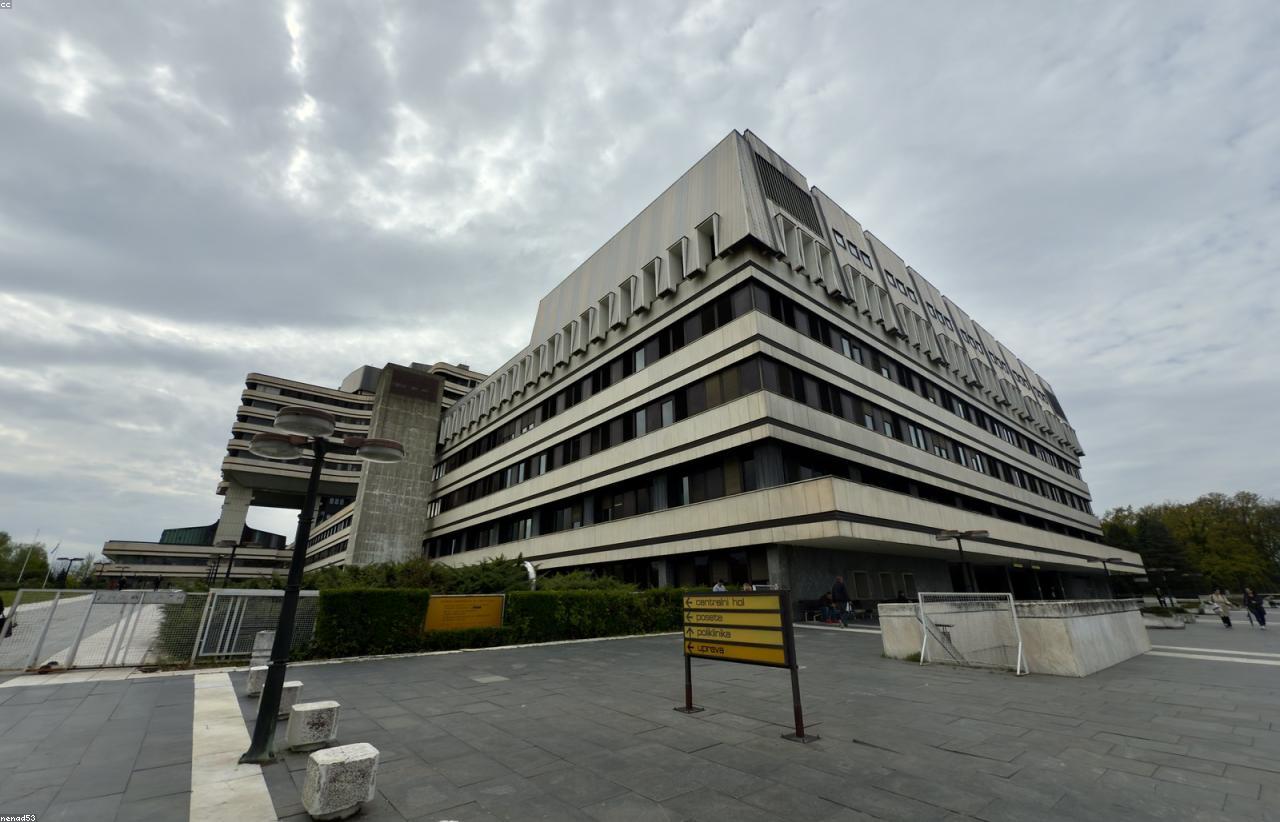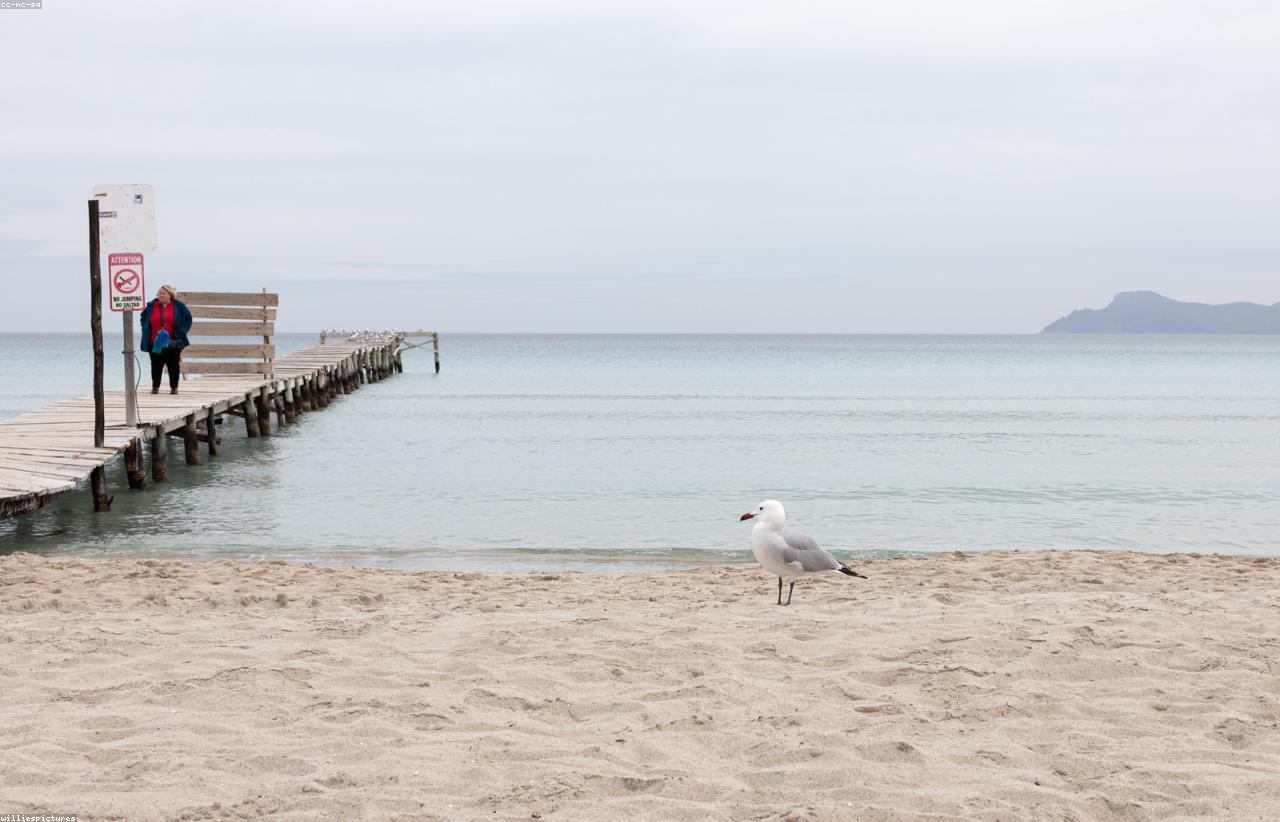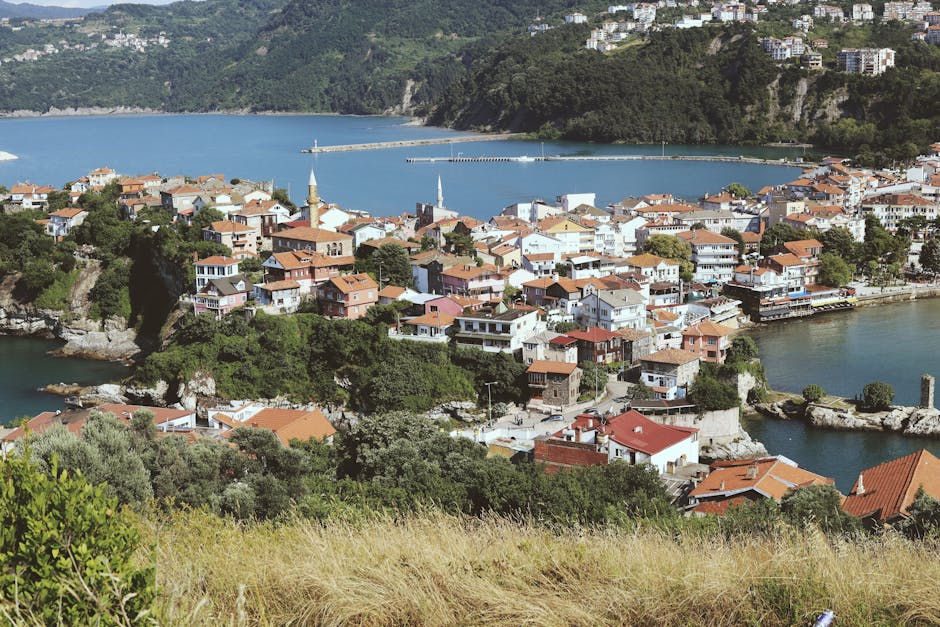
Greater Noida is often misunderstood as a mere extension of the Delhi-NCR sprawl, but the reality is more nuanced. If you are planning a visit, the most important conclusion you should reach is this: Greater Noida is a destination built on the philosophy of scale and specialized hubs rather than the dense, organic chaos of traditional Indian cities. It is a city designed for specific purposes—high-speed racing, international trade, and ecological preservation—and your itinerary should reflect that. Unlike the narrow lanes of Old Delhi or the corporate glass boxes of Gurgaon, Greater Noida offers wide boulevards and a sense of physical space that is rare in the region. To get the most out of this area, you have to lean into its identity as a planned satellite city. It is not a place for aimless wandering; it is a place for targeted experiences.
High-Octane Tourism: Exploring the Buddh International Circuit and Sports Infrastructure
The crown jewel of Greater Noida’s infrastructure is undoubtedly the Buddh International Circuit (BIC). Designed by the renowned German architect Hermann Tilke, this 5.14-kilometer track was famously the home of the Formula 1 Indian Grand Prix from 2026 to 2026. While F1 has not returned, the circuit remains a vital organ for Indian motorsport. It recently hosted the Moto GP Bharat, proving that the facility is still world-class. For a visitor, the appeal of BIC lies in its sheer technical ambition. The track features sixteen corners and significant elevation changes, including a high-speed straight that allows machines to reach staggering velocities. It is an engineering marvel that sits somewhat quietly on the edge of the Yamuna Expressway, waiting for its next roar.
Technical Specifications and Track Day Access
If you are a racing enthusiast, simply looking at the gates isn’t enough. The circuit occasionally opens for “Open Track Days” where private car and bike owners can test their vehicles in a controlled environment. These events are usually organized by third-party automotive clubs or manufacturers like Mercedes-Benz or BMW. Prices for these experiences fluctuate wildly, often ranging from 5,000 INR to 15,000 INR depending on the level of instruction and track time provided. The pros are obvious: you get access to a Grade 1 FIA-certified track with professional-grade runoff areas. The con is the logistical hurdle; these events are not held daily, and the circuit is located roughly 25 kilometers from the city center, making a private vehicle or a pre-booked cab an absolute necessity.
The Greater Noida Sports Complex
Adjacent to the residential sectors lies the Shaheed Vijay Singh Pathik Sports Complex. This is not just a local park but an international-standard stadium that has hosted matches for the Afghanistan national cricket team. It includes an Olympic-size swimming pool, a football stadium, and facilities for indoor sports like wrestling and boxing. For a traveler, it’s worth checking the local schedule to see if any Ranji Trophy matches or regional tournaments are taking place. The facility is a testament to the city’s commitment to becoming a sporting hub, offering a level of cleanliness and order that contrasts sharply with older stadiums in the NCR. Entry fees for casual spectators are typically nominal, often under 200 INR, unless a major international event is scheduled.
| Feature | Buddh International Circuit | SVS Pathik Sports Complex |
|---|---|---|
| Primary Use | Motorsports / Moto GP | Cricket / Football / Athletics |
| Accessibility | Restricted to events/track days | Open for public use/local matches |
| Vibe | High-adrenaline, industrial | Community-focused, active |
Ecological Escapes: Surajpur Bird Sanctuary and City Park’s Hidden Greenery
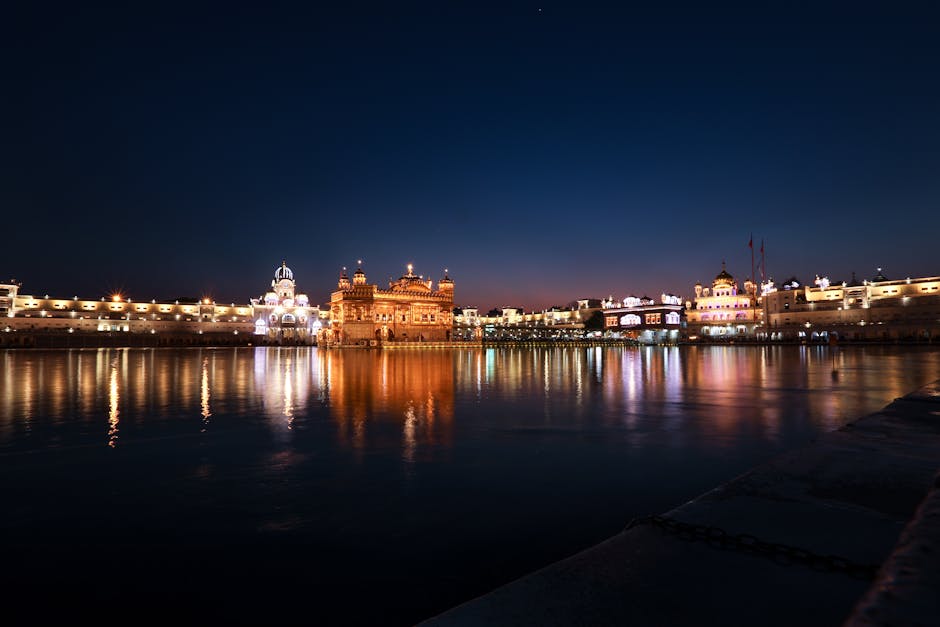
It is a common misconception that Greater Noida is nothing but concrete and asphalt. In fact, the city contains one of the most significant wetland ecosystems in the region. The Surajpur Bird Sanctuary is a 300-hectare expanse that serves as a critical habitat for both resident and migratory birds. Managed by the Uttar Pradesh Forest Department in collaboration with the World Wildlife Fund (WWF), this sanctuary is a stark reminder of what the landscape looked like before the developers arrived. The centerpiece is a large lake that attracts a variety of waterfowl. The silence here is profound—a rare commodity in the National Capital Region—broken only by the calls of the Sarus Crane, which is the state bird of Uttar Pradesh and a frequent resident of these wetlands.
Biodiversity and Best Visiting Windows
The sanctuary is home to over 180 species of birds. During the winter months (November to February), you can spot migratory species like the Ferruginous Pochard, Bar-headed Goose, and Northern Shoveler. The terrestrial areas are dominated by Kikar and Shisham trees, providing cover for Nilgai (blue bull) and various reptiles. The entry fee is incredibly low, usually around 30 INR for Indian nationals, making it one of the most cost-effective excursions in the area. The pro of visiting Surajpur is the genuine sense of wilderness; it doesn’t feel like a manicured park. The con, however, is the lack of amenities. There are no cafes or elaborate visitor centers inside, so you must carry your own water and snacks. It is a raw, educational experience that requires a pair of decent binoculars and a patient disposition.
City Park (Gulistan-e-Mehandi)
For those who prefer a more curated nature experience, City Park in Sector Alpha II is the primary green lung of the residential area. It is famous for its annual flower show, which typically takes place in March and draws thousands of visitors. The park is vast, featuring jogging tracks, themed gardens, and a large variety of seasonal blooms. Unlike the ruggedness of Surajpur, City Park is where the local community gathers. It is a prime spot for people-watching and understanding the domestic life of Greater Noida’s residents. The maintenance is generally high, though it can get crowded on weekend evenings. If you are looking for a quiet morning walk, the hours between 6:00 AM and 8:00 AM are your best bet before the heat and the crowds intensify.
The Surajpur Bird Sanctuary is not just a park; it is a vital ecological corridor. Researchers have noted that the presence of the Sarus Crane here is a biological indicator of a healthy wetland system, despite the encroaching industrial zones nearby.
Retail and Business Landmarks: The Grand Venice Mall and India Expo Mart
Greater Noida’s commercial identity is split between massive trade events and themed retail experiences. The India Expo Mart is perhaps the most significant business venue in North India. Spanning 58 acres with a built-up area of over 1.3 million square feet, it hosts the Auto Expo, IHGF Delhi Fair, and various international summits. If your visit coincides with a public event like the Auto Expo, the mart becomes the center of the universe. The infrastructure here is designed to handle hundreds of thousands of visitors, featuring multiple exhibition halls, food courts, and VIP lounges. It is a marvel of logistical planning, though navigating it during a peak event can be physically demanding due to the sheer distances between halls.
The Grand Venice Mall: A Themed Retail Experiment
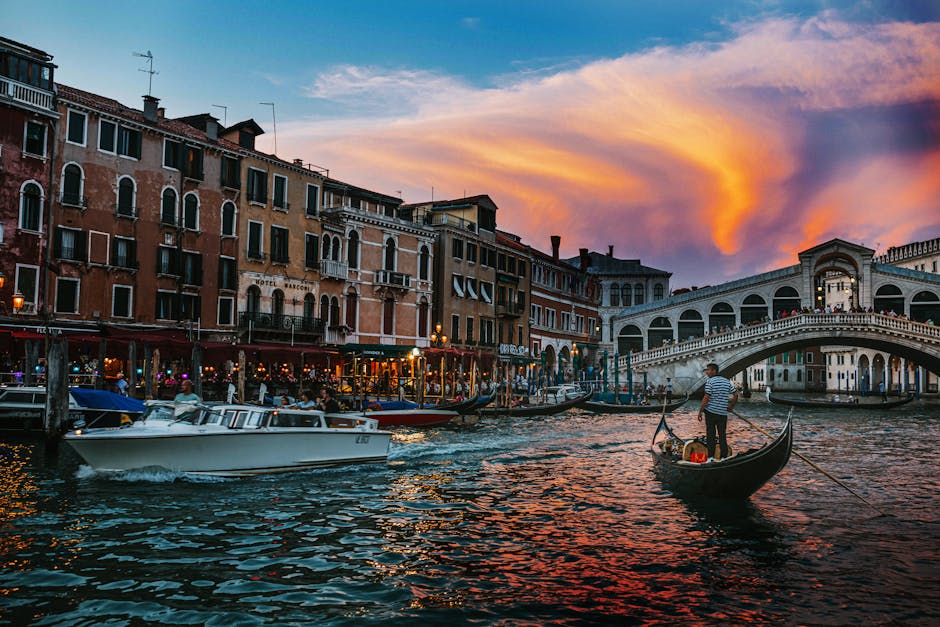
On the retail side, The Grand Venice Mall is the most talked-about destination. It is an ambitious, perhaps slightly kitschy, attempt to recreate the city of Venice in the middle of Uttar Pradesh. The mall features indoor canals with actual gondola rides, replicas of the Rialto Bridge, and a facade that mimics the Venetian Gothic style. While it may feel artificial to seasoned travelers, it is an undeniable feat of interior design. Beyond the aesthetics, it houses a massive food court (Terrazzo), a trampoline park (Mastiii), and a multi-screen cinema. The approximate cost for a gondola ride is around 300-500 INR per person. The pro is the climate-controlled environment, which is a lifesaver during the scorching North Indian summers. The con is that it can feel like a “tourist trap” for those seeking authentic local culture.
Stellar Children’s Museum
Located within the Knowledge Park area, the Stellar Children’s Museum is a rare example of a high-quality educational space for younger travelers. It is modeled after children’s museums in the United States, focusing on interactive exhibits rather than static displays. There are sections dedicated to science, water play, and creative arts. For parents visiting Greater Noida, this is arguably the best indoor facility to keep children engaged for 3-4 hours. The entry fee is around 500 INR for children and 250 INR for adults. It is well-maintained and provides a safe, clean environment for kinetic learning. The museum is a significant outlier in a city that is otherwise dominated by heavy industry and adult-oriented business hubs.
- India Expo Mart: Best for trade fairs and large-scale industrial exhibitions. Check the official calendar before visiting.
- The Grand Venice Mall: Best for families and photography enthusiasts looking for unique backdrops.
- Stellar Children’s Museum: The top choice for families with children under the age of 12.
- Pari Chowk: The central landmark and transit hub, useful for orientation but not a destination in itself.
Logistics of a Greater Noida Stay: Accommodations, Transport, and Seasonal Timing
Planning a trip to Greater Noida requires a different mindset than planning a trip to Delhi. The city is spread out, and the “sectors” are large. This means that your choice of hotel will dictate your ease of movement. If you are here for a race or a golf retreat, staying near the Yamuna Expressway is logical. If you are here for a trade show, staying near Knowledge Park or Pari Chowk is essential. The transport network is anchored by the Aqua Line of the Noida Metro, which connects Greater Noida to the Blue Line of the Delhi Metro. While the metro is clean and efficient, it does not cover every corner of the city, so ride-sharing apps like Uber and Ola are indispensable for the “last mile” connectivity.
Where to Stay: A Comparison of Top-Tier Options
Greater Noida has a surprisingly robust luxury hotel sector, primarily serving business travelers and event attendees. The Jaypee Greens Golf & Spa Resort is the flagship property here. Set within a 450-acre expanse, it features an 18-hole Graham Cooke-designed golf course. It is a destination in its own right, offering a level of serenity that is hard to find elsewhere in the NCR. A night here typically costs between 10,000 and 15,000 INR. On the more functional side, the Crowne Plaza Greater Noida offers a massive convention space and excellent dining options, with prices ranging from 7,000 to 9,000 INR. The Radisson Blu near Pari Chowk is another solid choice for those who need to be close to the metro and the main commercial areas.
The Seasonal Factor
The timing of your visit is the final piece of the puzzle. North Indian weather is extreme. From April to June, temperatures frequently exceed 40 degrees Celsius (104 F), making outdoor sites like Surajpur or the Buddh Circuit almost unbearable during the day. The monsoon season (July to September) brings relief from the heat but can cause localized flooding and traffic delays. Therefore, the ideal window is October to March. This period offers pleasant daytime temperatures and cool evenings, perfect for exploring the parks and attending the outdoor festivals that define the city’s social calendar. If you visit in late December or January, be prepared for heavy fog, which can significantly disrupt travel on the Yamuna Expressway.
Ultimately, Greater Noida is a city that rewards the specific traveler. It is not a place that offers its charms up easily to the casual passerby. You have to seek out the quiet corners of the bird sanctuary, book the specific track day at the circuit, or time your visit to a major expo. It is a city of islands—specialized zones of activity connected by wide, sweeping roads. By understanding this layout and focusing on the high-quality hubs described above, you can turn a trip to this satellite city into a sophisticated exploration of modern Indian urban planning and leisure infrastructure. It is a glimpse into a different kind of Indian future, one that is spacious, organized, and unapologetically ambitious.