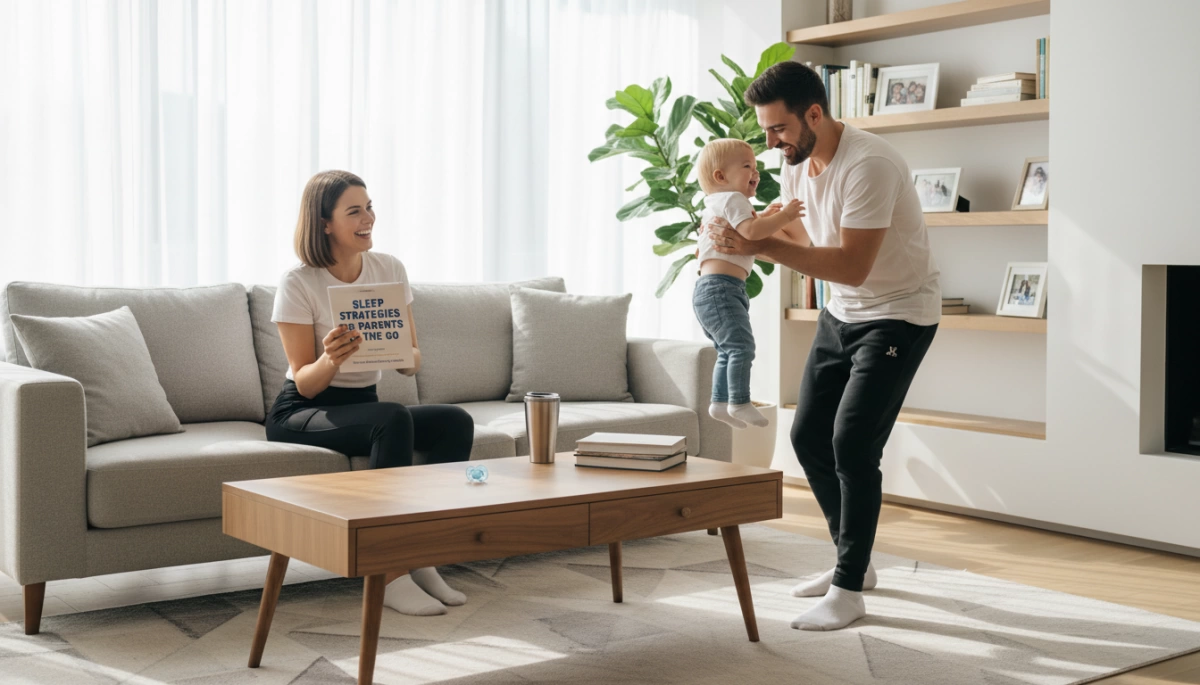
If you’re a parent juggling errands, travel, or busy days out, you already know how tough it is to keep everyone’s sleep on track. Sleep strategies for parents on the go are not about perfect routines—they’re about practical, flexible solutions that help both you and your child get the rest you desperately need, even in unfamiliar settings. Whether it’s road trips, family visits, or quick outings, this post will guide you through realistic tips and essential gear to manage naps, bedtime, and parent downtime without losing your sanity. Let’s get you set up to handle sleep disruptions with confidence and ease.
Understanding the Challenges of Sleep When You’re Always Moving
Traveling with baby sleep tips often start by recognizing how tough it is to maintain good rest while constantly on the go. When your family is always moving, disrupted circadian rhythms and unfamiliar environments throw off your child’s internal clock. Bright hotel lights, street noise, and different time zones all contribute to a sleep schedule that’s hard to keep consistent.
You’ve probably noticed how motion-based naps—like those in a stroller or car seat—can seem like a quick fix but don’t always provide the same restorative sleep as a crib nap. These “on-the-move” naps help in the moment but may not fully recharge your little one’s body and brain.
Add to that the cycle of parental exhaustion and overtired kids: when kids miss quality sleep, they get cranky and harder to settle, which makes you more tired and stressed. This cycle is frustrating but very normal when you’re navigating toddler naps on the go or adjusting to holiday travel sleep disruptions. Understanding these challenges is the first step to managing sleep better, even when life is unpredictable.
Core Principles for Success
When it comes to sleep strategies for parents on the go, blending consistency with flexibility is key. Sticking to your child’s usual sleep cues—even in new places—helps maintain a sense of normalcy. Think of familiar bedtime songs, comfort items like favorite loveys, or a signature pre-sleep routine. These home-like sleep cues signal your child that it’s time to wind down, no matter where you are.
Safety is a top priority during mobile sleep situations. Always ensure sleep setups—whether in a stroller, pack-and-play, or car seat—meet recommended safety standards. Keep an eye out for secure positioning and avoid unsafe surfaces. Balancing your child’s sleep needs with your own rest is just as important; well-rested parents can better handle the demands of travel and parenting.
For more tips on preparing ahead and managing sleep on the move, check out these practical suggestions for parents planning family trips. Maintaining this balance between structure and flexibility helps everyone get better rest, even when you’re constantly on the move.
Essential Gear and Packing List for Sleep on the Move
Traveling with baby sleep tips often boil down to what you bring along. Having the right gear can make all the difference between restless nights and peaceful sleep while on the go.
- Portable white noise machines help mask unfamiliar sounds and create consistent background noise, comforting your child no matter the environment.
- Travel blackout curtains are a must-have for keeping hotel rooms or temporary sleep spaces dark, supporting your child’s natural circadian rhythms during naps or bedtime.
- Bring along familiar comfort items like loveys, sleep sacks, or a favorite blanket. These provide emotional security, reminding your little one of home.
- A pack-and-play or portable crib offers a safe, familiar sleeping spot that can be set up anywhere.
- For contact naps, baby carriers are invaluable—they let your child nap close while you stay mobile.
- Don’t forget earplugs or headphones for parents to catch some extra rest when your little one’s sleep isn’t perfectly timed.
These essentials help maintain sleep routines while traveling, making it easier to manage both your child’s and your own rest needs. For more travel tips tailored to families, check out handy advice on managing holiday trips and staying rested during busy times at holiday tips for parents.
Strategies for Naps on the Go
Napping on the move can be tricky, but timing naps around your child’s natural wake windows helps keep sleep on track. Pay attention to how long your little one stays awake before needing rest, and try to plan naps within that window to avoid overtired behavior.
Creating mini pre-nap routines acts as a clear signal for sleep, even when away from home. Simple cues like a quiet song, dimming lights, or a familiar cuddle can help your child settle faster.
Safe nap spots on the go include strollers, baby carriers, and car seats, but always keep safety in mind. For example, if your child falls asleep in a car seat, avoid removing them abruptly. Use gentle transfer techniques—like slowly rocking or swaddling during the move—to minimize wake-ups.
Knowing when to switch from crib naps to motion-based sleep, like in a stroller or carrier, depends on your child’s comfort and stage. Some kids nap better with gentle motion; others prefer a stationary spot. Adjust as needed to maintain a smooth sleep routine while traveling.
Bedtime Routines Away from Home
Keeping a consistent bedtime routine while traveling helps your child feel secure, even in unfamiliar settings. Try to recreate familiar bedtime sequences like reading a favorite story, dimming the lights, or playing the same lullabies you use at home. These cues signal it’s time to wind down and ease the transition to sleep.
When setting up temporary sleep spaces, focus on making the area as close to your child’s usual environment as possible. Keep the room dark, cool, and quiet—using travel blackout curtains and a portable white noise machine can be a game-changer for blocking out new distractions. These tools help maintain the sleep environment your child is used to, minimizing disruptions.
If you’re navigating room-sharing or family visits, establish clear boundaries to protect your child’s sleep. Use gates, signs, or simple house rules to minimize noise and interruptions during nap or bedtime hours. This structure supports better rest for your child and preserves peace for the whole family.
Travel often involves time zone changes or late-day activities. Be ready to adjust routines for time zone changes and late days by gradually shifting sleep times before you leave or allowing some flexibility in your child’s schedule. This approach helps reduce jet lag and makes adapting to new environments easier for everyone.
For more tips on managing family life while traveling, check out practical advice on how to tackle family clutter, which can also help keep your temporary sleep spaces organized and stress-free.
Travel-Specific Tips for Sleep on the Go
Traveling with kids brings unique sleep challenges, but some smart prep can make a big difference. Before a trip, try gently shifting your child’s sleep schedule closer to the new time zone. This helps reduce jet lag with kids strategies and eases the transition after arrival.
During transit—whether on road trips or flights—timing naps around natural wake windows is key. Plan pit stops during your child’s typical nap times so they can rest safely and without fuss. For in-transit sleep hacks, using a baby carrier for contact naps or a stroller can promote restful motion-based naps when safe.
Setting up hotel rooms to feel like home helps maintain a consistent bedtime routine on vacation. Bring familiar sleep essentials like portable white noise machines and travel blackout curtains to control light and noise. Recreate your child’s usual sleep atmosphere to avoid disruptions.
Holidays and family gatherings often disrupt usual sleep patterns. To tackle overtired child travel hacks during these times, keep bedtime routines consistent and manage visit schedules to include quiet downtime for kids. Setting clear boundaries with family can protect your child’s rest and your sanity while away.
For travel tips tailored to different destinations, consider checking out family-friendly resources such as this guide for a family adventure holiday or ideas for a family holiday in Borth, Wales to see how other parents navigate sleep routines on the go.
Helping Parents Get Rest Too
Traveling with little ones is exhausting, and parents need rest just as much as their kids. Partner tag-teaming can be a game-changer—taking turns handling bedtime or nap duties gives each parent a chance to recharge. Don’t hesitate to lean on helpers, whether it’s a family member or trusted friend, to grab a break when possible.
Power naps and quick rest breaks throughout the day can help reduce fatigue. Even 15-20 minutes can refresh your energy and make managing toddler naps on the go easier. Be mindful of avoiding caffeine and sugar crashes; while tempting, these can disrupt your energy levels and mood, making sleep even harder to catch later.
Most importantly, adopt a ‘good enough’ sleep mindset during hectic times. It’s okay if every nap or bedtime isn’t perfect while traveling. Prioritize safety and rest where you can, knowing that flexibility is key. This approach helps reduce stress and keeps the whole family moving forward with more balance.
For more ideas on managing rest and routines, check out these practical tips on how to get a good night’s sleep even in busy times.
Troubleshooting Common Setbacks
Traveling with kids often brings unexpected sleep challenges. Sleep regression and resistance after travel are common as children adjust to new environments and routines. To ease this, keep your child’s sleep schedule as consistent as possible and use familiar sleep cues to signal bedtime.
Overtired meltdowns can quickly derail sleep on the go. Watch for signs of fatigue and try to stick with flexible nap schedules for busy parents to prevent overtiredness. Breaks for power naps during the day can also help manage crankiness.
Jet lag with kids requires patience. Gradually shift bedtimes before the trip when possible, and once at the destination, expose your child to natural light during the day to reset their internal clock quicker.
If sleep issues persist despite these strategies or your child shows extreme distress or sleep disruptions, it’s best to seek professional help early. This ensures your whole family can get the rest you need during hectic travel periods.
For more travel health advice to support your family’s wellbeing on the go, check out helpful tips on managing health and rest while away from home.