Picture this: You’re at the airport gate, boarding pass in hand. Ahead of you, a gate agent sizes up a passenger’s seemingly enormous backpack. They motion for it to be gate-checked. Suddenly, you’re sweating. Will your perfectly packed bag make the cut? Understanding the distinction between a carry-on and a personal item is not just about avoiding extra fees. It’s about stress-free travel, knowing your essentials are always with you, and making the most of every inch of space you’re allowed.
The Airport Dilemma: Overhead Bin or Under Your Seat?
Every traveler faces a crucial choice when flying: what goes in the overhead bin, and what fits under the seat in front of you? This isn’t just about convenience. It’s about compliance with airline rules and maximizing your available storage without incurring additional costs. Airlines categorize these two types of bags very differently, impacting their size, weight, and accessibility during your flight.
The Carry-On Advantage
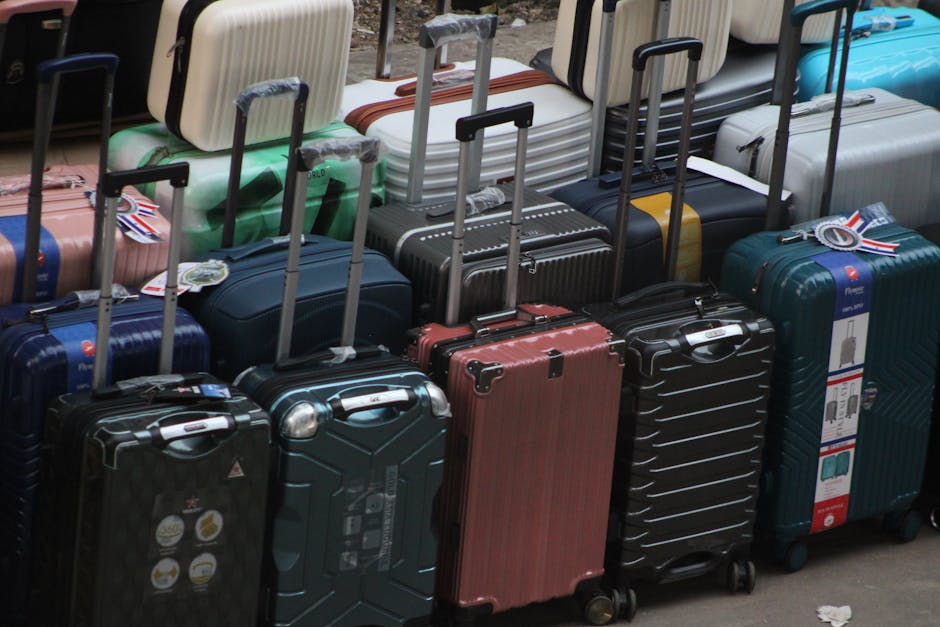
Your carry-on bag is designed for the overhead bin. It’s your main piece of cabin luggage, usually a small suitcase or a larger travel backpack. The primary advantage here is capacity. These bags can hold enough clothing and essentials for several days, sometimes even a week, making them ideal for shorter trips where checked baggage isn’t necessary. You retain quick access to important documents, medications, and a change of clothes if your checked luggage goes astray. Most airlines allow one carry-on per passenger, included in the ticket price for many standard fares.
The Personal Item Perk
A personal item, by contrast, must fit under the seat in front of you. Think of it as your in-flight command center. This is where you keep items you need constant access to: your laptop, tablet, book, headphones, snacks, passport, and any necessary toiletries or medications. Its smaller size ensures it doesn’t obstruct the aisle or other passengers. Crucially, almost all airlines allow one personal item in addition to your carry-on, often at no extra charge. This second bag significantly boosts your total available space, essentially giving you two bags for the price of one.
Understanding where each bag belongs helps you pack strategically. Your carry-on holds the bulk, while your personal item keeps your immediate needs close at hand. This separation is key to efficient and relaxed travel, ensuring you don’t have to rummage through the overhead bin mid-flight just for your headphones.
Decoding Airline Size Restrictions: A Comparison Guide

The biggest hurdle for many travelers is navigating the precise dimensions airlines enforce. While general guidelines exist, specific measurements can vary, and exceeding them leads to gate-checking and often unexpected fees. Knowledge is power here.
Standard Carry-On Dimensions
Most major airlines in North America and Europe adhere to a carry-on size limit around 22 x 14 x 9 inches (56 x 36 x 23 cm), including wheels and handles. This is a crucial number. Brands like Monos and Away design their popular carry-on suitcases to fit these specifications precisely. For example, the Monos Carry-On Plus measures 23 x 15 x 9.5 inches, which is slightly larger and might be restricted on some smaller aircraft or specific airlines. Always check your specific airline’s policy before you fly, especially if your bag is at the upper end of these measurements.
Typical Personal Item Limits
Personal items have a wider range of acceptable sizes, but they all share the fundamental requirement of fitting under a standard airplane seat. A common maximum dimension is approximately 18 x 14 x 8 inches (45 x 35 x 20 cm). This allows for items like a standard laptop backpack, a large purse, a briefcase, or a small duffel bag. The Lo & Sons O.G. 2, for example, is a popular personal item choice, designed specifically to fit these dimensions while offering smart organization for electronics and travel essentials. Airlines are typically more flexible with personal item dimensions than carry-ons, as long as it truly fits beneath the seat.
Weight Restrictions to Know
While U.S. domestic airlines often do not enforce weight limits for carry-on bags (as long as you can lift it into the overhead bin unassisted), international carriers and budget airlines frequently do. These limits can range from 7 kg (15 lbs) to 10 kg (22 lbs). For example, many European budget carriers strictly enforce 7 kg, combining the weight of both your carry-on and personal item. Always check the airline’s website. A small digital luggage scale can be a worthwhile investment to avoid last-minute surprises at the check-in counter or gate.
| Category | Typical Dimensions (L x W x H) | Common Weight Limit | Placement | Examples |
|---|---|---|---|---|
| Carry-On Luggage | 22″ x 14″ x 9″ (56 x 36 x 23 cm) | Often 7-10 kg (15-22 lbs) for int’l/budget; N/A for most US domestic | Overhead Bin | Hard-shell suitcase (Monos Carry-On Plus, Away Carry-On), large travel backpack (Osprey Farpoint 40) |
| Personal Item | 18″ x 14″ x 8″ (45 x 35 x 20 cm) | Included with carry-on weight limit for some airlines; generally less strict | Under Seat | Laptop bag, purse, small backpack (Lo & Sons O.G. 2, Aer Travel Pack 3 Small), briefcase |
Smart Packing for Maximum Space
Packing effectively isn’t just about fitting everything in. It’s about organizing your belongings so you can access what you need quickly, protect delicate items, and maximize every cubic inch of your allowed baggage. This strategy applies to both your carry-on and personal item.
Optimizing Your Carry-On
- Roll, Don’t Fold: Rolling clothes tightly minimizes wrinkles and frees up space. It’s a classic traveler’s trick for a reason.
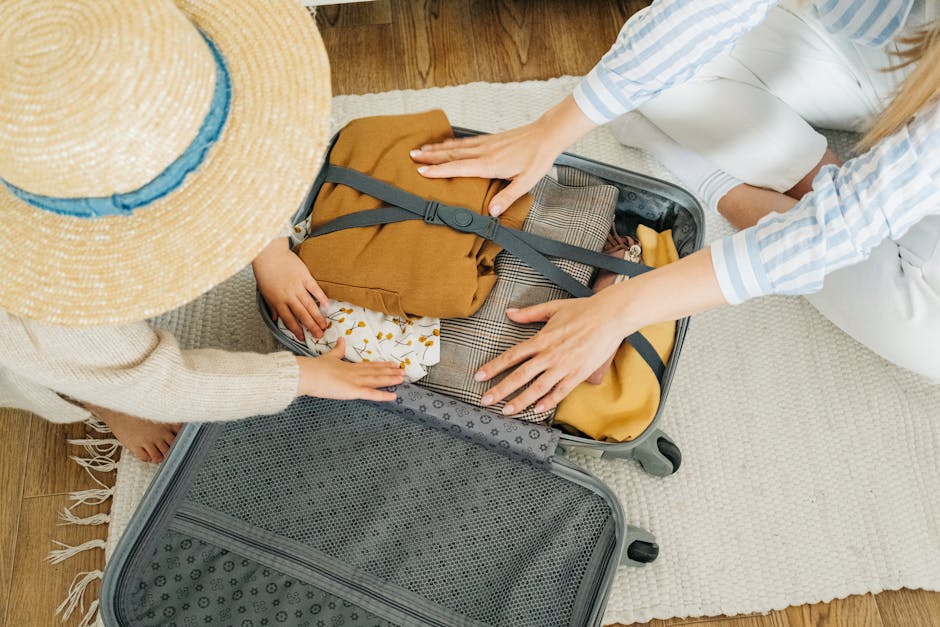
- Use Packing Cubes: These zippered fabric containers compress your clothes and keep them organized. You can separate outfits, types of clothing, or items for different destinations. Brands like Eagle Creek and Calpak offer excellent packing cubes in various sizes.
- Wear Bulky Items: Your heaviest shoes and bulkiest jacket should be worn onto the plane. This saves significant space and weight in your bag.
- Liquid Rules: Remember the 3-1-1 rule for liquids in your carry-on: 3.4 ounces (100 milliliters) per container, all fitting in one quart-sized bag.
- Every Nook: Stuff socks, underwear, or small accessories into shoes or the corners of your bag.
The Art of Personal Item Packing
Your personal item is for immediate needs. Pack it with items you’ll want during the flight or immediately after landing.
- Essentials First: Passport, wallet, phone, keys, and boarding pass should be in an easily accessible front pocket.
- In-Flight Entertainment: Laptop, tablet, e-reader, headphones. Ensure these are packed for quick removal during security checks. A dedicated padded laptop sleeve is crucial.
- Comfort Items: A travel pillow, eye mask, earplugs, and a light scarf or sweater.
- Medication & Valuables: Any prescription medication you need, contact lenses, glasses, and expensive jewelry should always be in your personal item. Never check these.
- Snacks: A few non-liquid snacks can save you money and keep hunger at bay.
- Chargers & Power Bank: Keep your devices powered up. Many airlines prohibit power banks in checked luggage.
By treating each bag as a specialized storage unit, you avoid overpacking one and underutilizing the other. The goal is efficiency and convenience, not just cramming.
Choosing the Right Bags for Your Travel Style
The right luggage makes all the difference. It’s not just about fitting within dimensions; it’s about durability, organization, and ease of transport. We strongly recommend investing in quality bags designed for travel, as they offer features that simplify your journey.
Recommended Carry-On Models
For a traditional suitcase, the Monos Carry-On Plus (23 x 15 x 9.5 inches) stands out for its robust polycarbonate shell, smooth-rolling wheels, and thoughtful interior compression system. It’s built to withstand frequent travel and keep your belongings secure. If you prefer a soft-sided option with more flexibility, the Away Carry-On (21.7 x 13.7 x 9 inches) offers a durable nylon exterior and a built-in compression pad. For backpackers or those who want to avoid wheels, the Osprey Farpoint 40 (approximately 21 x 14 x 9 inches when packed) is a highly rated travel backpack that meets most carry-on requirements. It’s comfortable to carry and opens like a suitcase, making packing easy.
Versatile Personal Item Bags
Finding a personal item that combines functionality with style is key. The Lo & Sons O.G. 2 is an excellent choice for its dedicated laptop sleeve, multiple pockets, and a useful trolley sleeve that slides over your carry-on handle. It’s specifically designed for under-seat use. For a more rugged, technical option, the Aer Travel Pack 3 Small (17 x 12 x 7 inches) offers robust construction, smart organization, and a comfortable carry, making it perfect for tech-heavy travelers. A standard Thule Subterra 30L backpack also serves well, providing ample space for electronics, books, and essentials while easily fitting beneath the seat. When choosing, prioritize bags with easily accessible exterior pockets for boarding passes and water bottles, and a padded compartment for electronics.
The “Just One Bag” Strategy: When it Makes Sense
Sometimes, the simplest approach is the best. Opting for a single personal item and foregoing a separate carry-on can be incredibly liberating. This strategy makes sense for ultra-light travelers, very short trips (an overnight stay), or when navigating extremely strict budget airlines where only a free personal item is allowed. It forces extreme minimalism but guarantees no baggage fees and fast exits from the airport. It removes the entire overhead bin dilemma.
Navigating Budget Airlines: Strict Rules, Smart Solutions
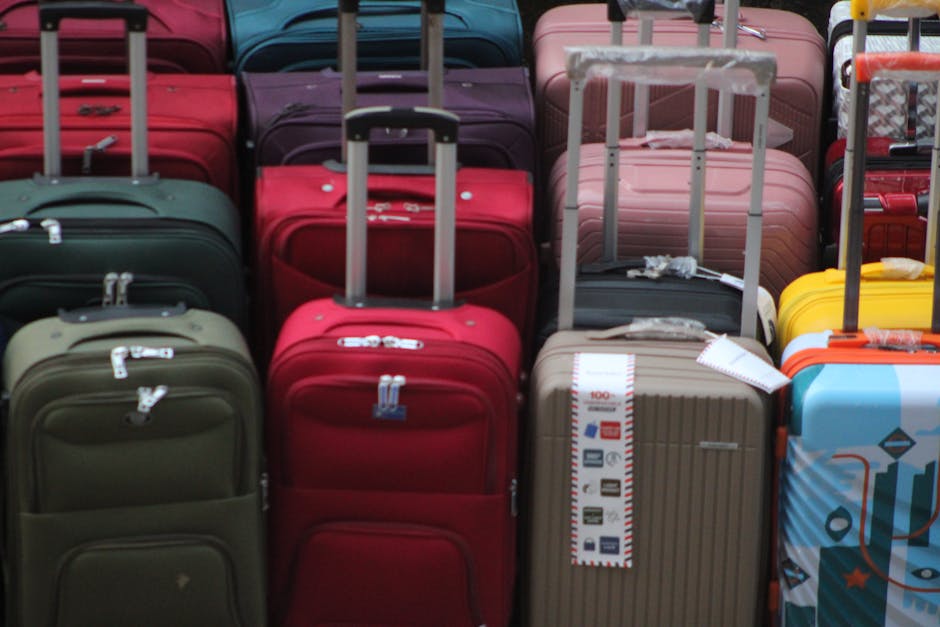
Budget airlines are a different beast entirely. Their low fares often come with extremely rigid baggage policies, where carry-on fees are a primary revenue stream. Understanding these rules is crucial to avoiding expensive surprises at the gate.
Specific Airline Policies (e.g., Spirit, Ryanair)
Airlines like Spirit Airlines and Frontier Airlines in the U.S. typically charge for *any* bag that doesn’t fit the personal item dimensions. Their free allowance is usually a small personal item, often around 18 x 14 x 8 inches. A standard carry-on suitcase requires a separate purchase, which can sometimes cost more than the flight ticket itself if bought at the gate. Similarly, European budget carriers like Ryanair and Wizz Air have evolved their policies; while they allow a small personal item for free, a full-sized carry-on for the overhead bin requires an upgrade, often bundled with priority boarding. Always check the exact dimensions and weight limits for your specific airline and fare class before booking.
Strategies for Avoiding Fees
- Measure and Weigh Meticulously: Before you leave home, measure your bags. Use a luggage scale to confirm weight. Do not guess.
- Prioritize the Personal Item: If flying a budget airline, focus your packing efforts on your personal item. Maximize its space. Many travelers can pack enough for a 2-3 day trip into a well-organized personal item.
- Consider a “Packable” Backpack: Some brands offer ultralight, packable daypacks that can be folded down and stowed in your main carry-on. Once you land, you can use it for day trips.
- Layer Up: Wear your heaviest clothes, including jackets and sweaters, onto the plane. This reduces weight and bulk in your bag.
- “Wearable” Luggage: While not for everyone, some specialized vests or jackets are designed with numerous pockets to hold essentials, effectively expanding your personal item capacity without technically counting as an extra bag.
The key takeaway for budget airlines is to assume nothing is free beyond the smallest personal item. Plan accordingly, and you’ll save money and hassle.
Frequently Asked Questions About Travel Baggage
Even experienced travelers have questions about what’s allowed and what’s not. Here are answers to some common concerns.
Can I carry a laptop bag AND a purse?
Generally, no. Most airlines consider a laptop bag or a purse as your single personal item. You typically cannot bring both as separate items in addition to a carry-on. However, if your purse is small enough to fit inside your laptop bag, or if your laptop bag is simply a large purse, it counts as one. Always consolidate where possible.
What if my carry-on is slightly oversized?
A slightly oversized carry-on (e.g., an inch or two over the limit) is a gamble. Airport staff, especially gate agents, have the final say. They may ask you to fit it into a sizing bin, and if it doesn’t fit, you’ll be forced to gate-check it and pay the associated fee. This is often more expensive than checking it at the counter. It’s simply not worth the risk. Stick to the stated dimensions.
Are travel pillows always free?
Most airlines allow a travel pillow, blanket, or coat to be carried on without counting towards your personal item or carry-on limit. These are typically considered comfort items. However, some very strict budget airlines might try to count even these items if they are bulky. If you’re concerned, ensure your pillow can be easily compressed or attached to the outside of one of your permitted bags.
Back at the gate, your confidently sized bags sail past the agent without a second glance. You tuck your small backpack under the seat, your suitcase slides smoothly into the overhead bin. No fees. No stress. Just a calm, organized start to your journey, all because you understood the critical difference between your carry-on and your personal item. Happy travels.