You leave the office at 8:00 on a cool October morning, expecting a relaxed walk to a viewpoint. By mid-afternoon, the trail is slick with leaves, the wind has picked up, and sunset is much closer than it looked on the calendar. Autumn day hikes work best when you plan around the clock, not just the distance.
How to choose a safe autumn hiking window
The safest autumn hike is not always the shortest one. It is the route that fits inside a generous daylight window, leaves room for slow footing, and stays manageable if rain or wind arrives early. Start with the trailhead, not the summit. Check the exact sunrise and sunset for the date and location, then treat the last 45 to 60 minutes before sunset as a safety margin rather than hiking time.
Check three forecasts before you leave
Use the national weather service, a mountain forecast, and the forecast for the nearest town. These sources answer different questions. The town forecast helps with temperature and rain timing. The mountain forecast may show stronger winds, lower cloud, or a freezing level that the town forecast misses. The national service often provides warnings and radar data.
Check again two hours before departure. A forecast made five days earlier helps with planning, but it should not control the final decision. Cancel or shorten the route when thunderstorms, high winds, freezing rain, heavy fog, or rapidly falling temperatures appear in the latest update.
Match the route to the weakest part of the day
Autumn trails often change character after rain. A dry ridge can become exposed and windy, while a woodland path can turn muddy and slow. Choose a route with an easy exit, clear junctions, and a turnaround point before the most exposed section. A loop is useful only when you can still find the correct direction in fading light.
For most hikers, the best choice is a route that finishes at the trailhead at least one hour before sunset. That margin covers a missed turn, a wet boot, or a ten-minute rest that becomes twenty. It also keeps a minor problem from becoming a night navigation problem.
How to turn shorter daylight into a hiking timetable

Plan the day backward from the time you need to reach the trailhead. For 2026 autumn hikes, do not use “sunset” as your finish time. Build the schedule around a firm return cutoff, then add time for poor ground and route-finding.
Use one turnaround time, not a vague promise
Write the turnaround time in your phone and on paper. If you have not reached the planned high point by that time, start back. The rule protects the return journey, which often takes longer after tired legs, wet rocks, or a change in weather.
| Time | Action | Planning purpose | Decision |
|---|---|---|---|
| 07:15 | Sunrise | Light begins, but the trail may remain dim under trees | Use a headlamp if the approach is shaded |
| 08:00 | Leave the trailhead | Creates a large daylight margin | Start only after checking the latest forecast |
| 10:00 | First checkpoint | Compare actual pace with the route plan | Shorten the route if you are more than 20 minutes late |
| 12:30 | Turnaround | Protects time for descent and navigation | Leave the viewpoint even if the summit is close |
| 16:15 | Target trailhead arrival | Leaves about one hour before a 17:15 sunset | Take the easiest marked route down |
| 17:15 | Sunset | Not a hiking deadline | Any route still open after this is a planning error |
Measure pace at landmarks
Do not judge progress by distance alone. Record the time at a bridge, junction, shelter, or viewpoint. If the first three-kilometre section takes 90 minutes instead of 60, the rest of the plan has already changed. Turn around early instead of hoping to regain time on unfamiliar ground.
A simple rule works well: keep the final third of the daylight window for the return. That gives you time to solve a wrong turn without spending the last light searching for the trail.
What to pack for rain, cold and an early sunset
Pack for the stop, not just the walk. Autumn problems appear when someone has to stand still: waiting for a slower companion, checking a junction, treating a blister, or calling for help. The right kit keeps that pause safe and comfortable.
Build a small, specific safety kit
- Carry a waterproof shell such as the Outdoor Research Helium Rain Jacket, which weighs about 179 grams in a men’s medium and packs small. It blocks rain and wind but does not replace a warm layer.
- Use a warm mid-layer and a dry base layer in a sealed bag. The Outdoor Research Helium shell is a rain layer, not insulation.
- Bring the Black Diamond Spot 400-R headlamp. It produces up to 400 lumens and recharges by USB. Carry it even when the forecast says you will finish in daylight.
- Pack a small power bank, a charging cable, and an offline map. Cold weather drains phone batteries faster, and a phone flashlight is a poor primary light.
- Carry at least one litre of water in a Nalgene Wide Mouth 32 oz bottle. Add more for exposed routes, warm afternoons, or hikes with no reliable refill point.
- Take food that you can eat while standing. Two sandwiches, an energy bar, and a salty snack work better than one large meal that requires a long stop.
- Bring a first-aid kit with blister pads, elastic tape, pain relief, and a way to close a torn jacket or pack strap.
Know when extra communication gear earns its weight
The Garmin inReach Mini 2 weighs about 100 grams and can send satellite messages when a mobile signal is unavailable, but it needs an active subscription and a clear view of the sky. It makes the most sense for remote routes, solo hikes, and areas with long gaps between roads. It is not a substitute for a route plan or a weather decision.
For a short urban-edge trail with strong phone coverage, skip the satellite communicator and carry the headlamp, warm layer, water, and offline map instead. The best packing list solves the likely problem without turning a simple hike into a heavy expedition.
Change the route when the weather crosses a clear line
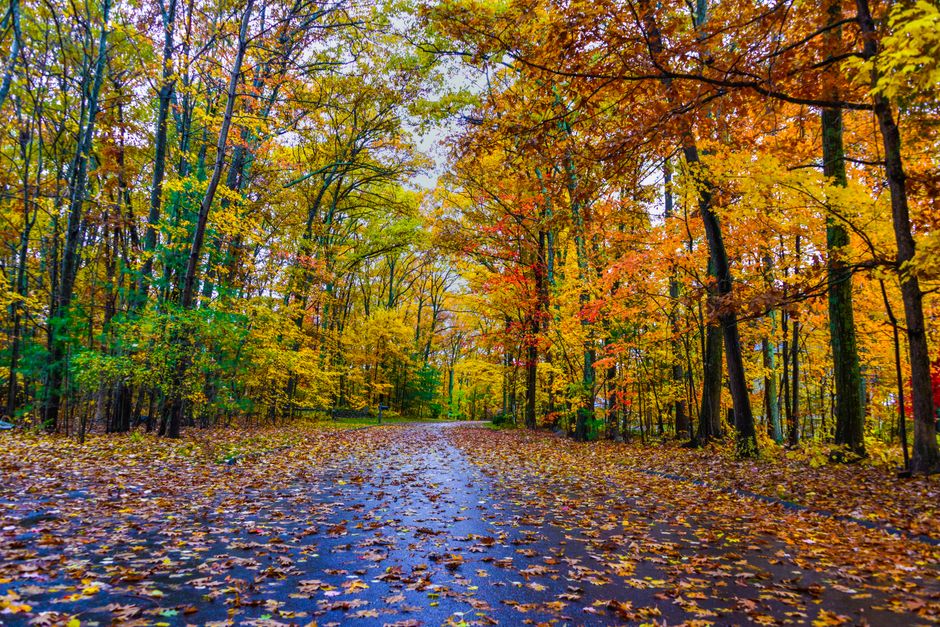
Rain should change your route before it changes your mood. Waiting until conditions feel dangerous gives you fewer safe choices. Set the decision point before leaving, then follow it without negotiating with the forecast on the trail.
Use measurable triggers
Turn back or switch to a lower route when the mountain forecast predicts sustained winds above 40 mph, thunderstorms within the planned hiking window, freezing rain, or visibility low enough to hide trail markers. On exposed ridges, strong wind can make balance difficult even when the temperature feels mild.
Heavy rain also changes river crossings, loose slopes, and rock slabs. A crossing that looked simple at breakfast may become unsafe by lunch. Never test a flooded crossing by stepping into moving water. Find a bridge, wait for levels to fall, or abandon the route.
Choose the best fallback, not the closest fallback
A fallback route should have lower elevation, better tree cover, clearer signs, and an earlier exit. Do not pick a second summit just because it sits nearby. Mark the fallback on your map before starting and tell someone at home which route you will use if conditions shift.
Fog creates a separate problem. It can hide cliffs, erase views, and make a familiar junction look new. If visibility drops before the turnaround time, descend by the route you know best. A shorter, boring walk back is the correct decision when landmarks disappear.
Autumn hiking questions answered before departure
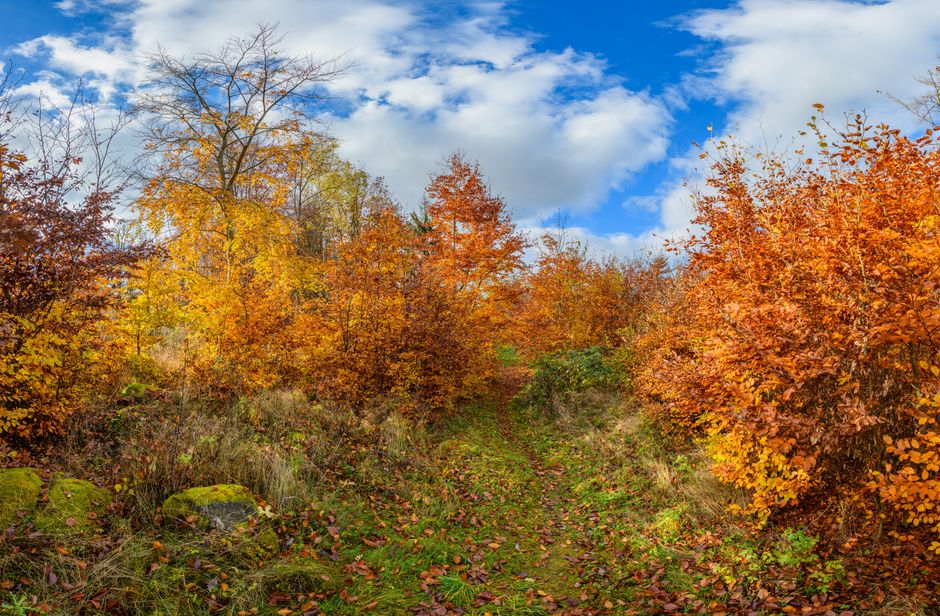
How much daylight should a day hike leave unused?
Leave at least 60 minutes between your planned trailhead arrival and sunset. Add more time for a first visit, a route with many junctions, steep ground, or a forecast below freezing. That hour is not wasted. It covers the small delays that autumn conditions create.
Should I start later to avoid a cold morning?
No, not when the route already depends on limited daylight. Start earlier and add a warm layer. A late start cuts the safest part of the return and encourages hikers to rush when the trail becomes wet or dark.
What is the most common autumn hiking mistake?
Hikers plan around the summer version of the route. They use the same distance, pace, and finish time even after daylight shrinks and the ground becomes slippery. Reduce the route by about 20 percent on a wet or unfamiliar day, and keep the turnaround time fixed.
That solves the opening problem: the 8:00 departure can still end as a relaxed walk, because the schedule reaches the trailhead before the sky turns dark. The viewpoint matters, but the real finish line is a safe return with enough daylight left to see the last junction.