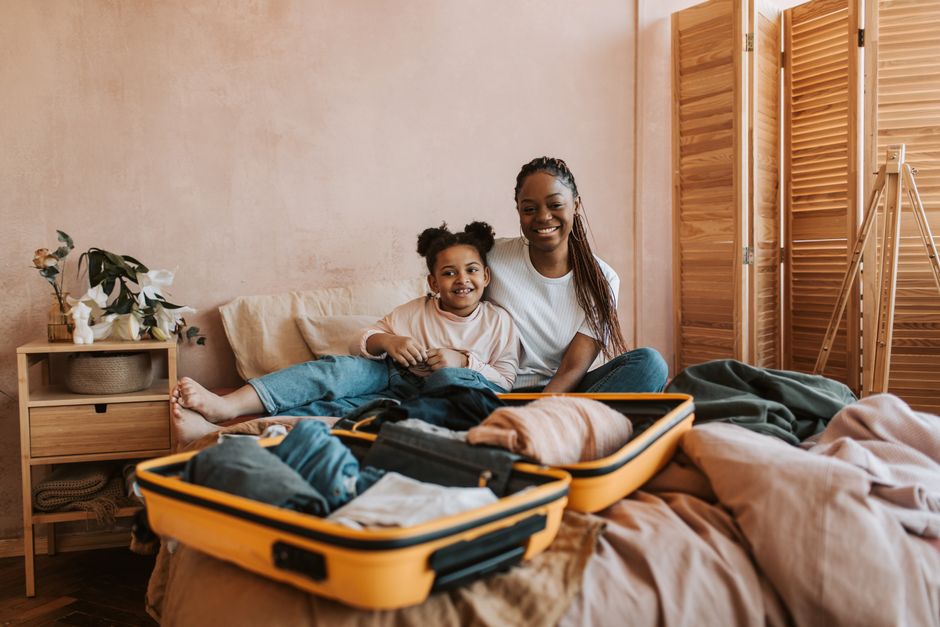
Your toddler starts yelling before the plane leaves the gate, rejects the snacks you packed, and falls asleep just as the cabin lights come on. That is the nightmare version of a family flight, but most of the damage comes from a weak plan rather than the child. The goal is not a silent three-hour flight. It is a flight with fewer preventable problems.
Why toddler flights go wrong before takeoff
The first mistake is treating a toddler like a small adult passenger. Adults can wait for food, sit still through boarding, and understand that a strange noise is normal. Toddlers cannot. They need movement, familiar routines, fast access to food, and a clear answer to basic questions: Where are we sitting? When can we get off? What happens if my ears hurt?
A successful flight plan solves four separate problems: safety, boredom, hunger, and sleep. Parents often focus on entertainment because it is easy to buy a new toy. That helps for a few minutes, but it does not fix a child who is tired, thirsty, uncomfortable, or trapped in a seat with no legroom.
Set the sleep target before choosing the flight
Pick the departure time around your toddler’s normal sleep pattern when the fare difference is reasonable. A 7 a.m. flight can work for a child who wakes at 6 a.m.; it can fail badly for a child who normally sleeps until 8. A late-night flight is not automatically better. An overtired toddler may become louder and harder to settle before sleep arrives.
Prepare for the first 45 minutes
Boarding, taxiing, and takeoff create the highest pressure. Keep one drink, one snack, a small toy, and a change of clothes in the seat pocket or the bag under the seat. Do not bury those items in the overhead bin. Give the child a job, such as holding the boarding pass or choosing the first story, so the waiting period has a simple purpose.
Best basic rule: plan for the child you have at 2 p.m., not the child you hope to have at 35,000 feet.
Which airplane seat works best for a toddler?
The best seat is usually a window seat beside one familiar adult. It gives the child a wall to lean against, limits access to the aisle, and reduces the chance of a passing cart or stranger becoming a distraction. If two adults travel together, place the toddler by the window and the second adult across the aisle or beside the child, depending on the aircraft layout.
| Seat choice | Best use | Main drawback | Verdict |
|---|---|---|---|
| Window seat | Sleep, fewer distractions, first flight | Harder bathroom access | Best default for most toddlers |
| Aisle seat | Frequent bathroom trips, restless children | Carts, people and arm movement nearby | Best for a child who cannot sit still |
| Bulkhead row | Extra space in front of the seat | Fixed armrests and limited under-seat storage | Useful only when the extra space matters |
| Exit row | More legroom for adults | Children may not be allowed there | Not a toddler solution |
| Last row | Near the lavatory and galley | Noise, queues and possible seat recline limits | Choose only for access |
Pay for a separate seat when safety and sleep matter
A lap infant may be allowed under airline rules, but a separate seat gives a toddler a stable place to sit and sleep. It also lets you use an approved child restraint when the airline permits it. The exact rules differ by carrier, aircraft, and restraint label, so check the airline’s current policy before paying for the ticket.
Do not buy extra legroom for the wrong reason
Extra legroom helps an adult organize bags and stretch, but it does not guarantee a better toddler flight. Bulkhead seats can remove the under-seat storage you need for snacks and wipes. My pick is a standard window seat with under-seat storage unless the child sleeps best in a car seat or the adult has a strong reason to need more space.
How to pack snacks and drinks that survive the cabin
Pack snacks in small portions instead of one large container. A toddler may refuse a full sandwich but accept three crackers, two blueberries, and a bite of cheese offered at different times. Small portions also limit the damage from spills. Use foods your child already eats at home; a flight is a poor place to test a new flavor, texture, or allergy risk.
- Pack a dry base. Bring crackers, cereal, pretzels, or a low-sugar granola bar. These foods last through the airport and do not need cooling.
- Add filling food. Cheese cubes, a nut-free oat bar, a pouch your child already knows, or a small sandwich can prevent the snack cycle from becoming constant grazing.
- Bring a spill plan. Use a leak-resistant cup, two zip bags, napkins, and a spare shirt. One wet shirt can turn a manageable flight into a long uncomfortable one.
- Use liquids strategically. Offer a drink during climb and descent if the child will swallow. Sipping can help with pressure changes, but never force drinking when the child is crying hard.
- Check the rules. Security limits and airport rules vary. Baby food and toddler drinks may receive special treatment, but you still need to present them for inspection.
Avoid sticky foods, hard round foods, and anything that creates a long cleanup. Whole grapes, popcorn, hard candy, and chunks of sausage can create choking risks. A snack should buy calm, not create a second emergency.
The nap plan that has the best chance of working
Do not build the trip around a perfect airplane nap. Build it around a protected rest window, then treat sleep as a bonus. Cabin noise, bright light, pressure changes, and unfamiliar surroundings can defeat a toddler’s normal routine. A child who sleeps for 40 minutes in an ordinary seat may sleep for none on a plane.
Keep the preflight routine familiar: the same small blanket, the same two books, and the same sleep phrase. Avoid adding a new travel pillow, tablet game, or stuffed animal on the day of departure. New objects create curiosity when you need the child to settle.
If the flight overlaps nap time, reduce stimulation about 30 minutes before the expected sleep period. Dim the screen, offer water, read one short book, and stop introducing new activities. The child may still stay awake. That does not mean the plan failed; quiet rest can reduce the crash later.
This is not financial advice. It is a practical reminder that a low fare can become expensive if it forces a hotel night, missed connection, or exhausted parent to buy last-minute supplies. For most families, the best value is the flight time that protects the child’s normal rest, even when that ticket costs more.
My clear verdict: choose the flight that gives you one predictable rest opportunity, not the flight with the lowest headline price.
What the final toddler-flight setup should look like
For a first flight, choose a separate window seat, pack familiar food in small portions, and protect one quiet rest period. Keep the under-seat bag simple: wipes, two drinks, four snack portions, a comfort item, headphones, a change of clothes, and one low-tech activity. The strongest plan is boring because every item has a job.
| Family situation | Best setup | Product call | Why |
|---|---|---|---|
| Child sleeps in the car | Separate seat and approved restraint | Cosco Scenera Next, about $60 to $80 | Familiar position with modest weight |
| Child dislikes car seats | Separate window seat and simple harness if approved | CARES, about $79 | Less bulk and easier packing |
| Long airport connection | Stroller or ride-on luggage | JetKids BedBox, about $229 | Useful for terminal fatigue and possible rest |
| Short trip with light luggage | Small backpack with ground-use booster | Trunki BoostApak, about $69.99 | Lower cost and compact storage |
The winning setup is not the one with the most gear. It is the one that protects safety, food access, and rest without forcing you to search through a suitcase while your toddler is upset. Spend money on the seat and timing first. Add specialized products only when they solve a problem your family has already seen at home.