
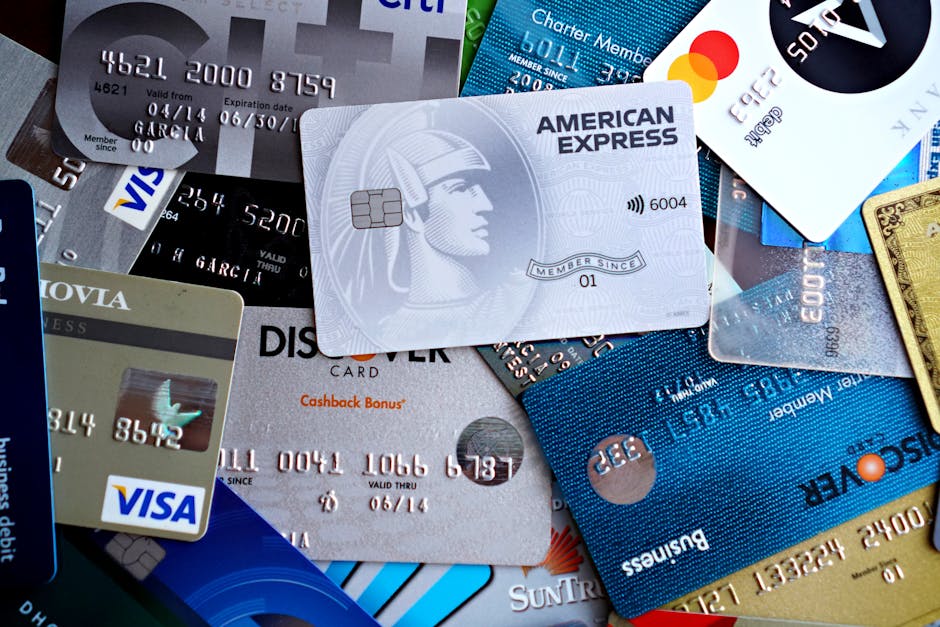
I spent four hours last Tuesday night staring at a spreadsheet of airline transfer partners until my eyes blurred. Four hours. I have a real job in logistics that already requires me to look at data all day, and here I was, in my free time, acting like an unpaid intern for a multinational bank. It’s exhausting. We’ve been told that ‘hacking’ travel credit card deals is this glamorous ticket to a life of champagne in first class, but mostly it just feels like having a second, very annoying job where your boss pays you in Monopoly money that expires if you don’t use it fast enough.
The truth is, most of the people writing about this stuff online are trying to sell you something. They get a kickback when you sign up for that fancy metal card. I don’t. I just want to go to Spain without feeling like I got robbed by a hidden fee. I’ve realized that the ‘deals’ aren’t always deals. Sometimes they’re just traps designed to make you spend $4,000 in three months on stuff you didn’t actually need just to hit a sign-up bonus. I know people will disagree with me on this, but I think the whole ‘churning’ community has a bit of a collective delusion about the value of their time.
The time I felt like a total idiot in Lisbon
Let me tell you about my biggest failure. It was October 2021. I had finally saved up 80,000 points on my Chase Sapphire Preferred—which everyone says is the ‘holy grail’ of starter cards. I was going to book a ‘free’ flight to Lisbon. I found the award seat, clicked through six different screens, and then I saw it: $482 in ‘taxes and carrier-imposed surcharges.’ A coach ticket on the same flight was selling for $650. I was basically ‘spending’ 80,000 points—which represent about $40,000 of my actual life’s spending—to save a measly $168. I felt like a moron standing in my kitchen at 1 AM. I booked it anyway because of the sunk cost fallacy, but the whole trip I couldn’t stop thinking about how I’d been played. It wasn’t a deal. It was a math problem I failed.
Anyway, I learned my lesson. Now I look at the surcharges first. But I digress. The point is that these cards are tools, not personalities. If you find yourself talking about ‘point valuations’ at a dinner party, please stop. Nobody cares. We just want to know if we can get a cheap flight to Mexico.
The math that actually matters (and why I changed my mind)

I used to think that the goal was to get the highest ‘cents per point’ (CPP) possible. I’d read those blogs where guys claim they got 12 cents per point by flying some obscure airline from Dubai to Singapore. I was completely wrong about that being the goal. Unless you were already going to spend $12,000 on a first-class ticket, that 12 CPP is a fake number. It’s vanity math. What I mean is—actually, let me put it differently: if you save $500 on a trip you were actually going to take, that is worth more than ‘saving’ $10,000 on a trip you only took because the points made it possible.
I tracked my spending for 14 months and realized I was only getting about 1.8 cents per point on average. That’s the real-world number for a normal person who isn’t a professional nomad. The banks want you to think it’s higher so you’ll justify the $595 annual fees. Speaking of which, I genuinely hate the Amex Platinum. I know it’s the status symbol of the travel world, but it’s basically just a high-priced coupon book. You have to spend your whole life remembering to use your $15 Uber credit and your $200 hotel credit and your ‘digital entertainment’ credit. It’s a chore. I refuse to recommend it to my friends even though the sign-up bonuses are huge, mostly because I don’t want to hear them complain about the ‘Saks Fifth Avenue’ credit three months later. It’s annoying.
The best travel card deal isn’t the one with the biggest number on the landing page; it’s the one that doesn’t make you change your lifestyle to justify the fee.
I’ve found that the simple cards—the ones that just give you 2x miles on everything—are usually better for my mental health. I use the Capital One Venture X now. The portal is actually decent, which is rare. Most travel portals are like those carnivals tokens that only work on the tilt-a-whirl; they’re glitchy and the prices are marked up. But I’ve found the Capital One prices usually match Google Flights within a few dollars. That’s a win in my book.
The part nobody wants to admit
Here is my risky take: if you have a balance on your credit card, you shouldn’t even be looking at travel deals. You are the one paying for my flight to Maui. Every time someone pays 22% interest on a ‘travel card,’ the bank uses that profit to fund the sign-up bonus for someone like me. It’s predatory, and it’s weird that we don’t talk about it more in the ‘travel hacking’ world. We act like we’re outsmarting the banks, but the banks are winning. They always win. They’ve crunched the numbers and they know that for every one person who uses their points perfectly, there are a hundred people who just get deeper into debt.
- The 100k bonus is a trap if you have to spend an extra $2,000 to get it.
- Transfer partners are a nightmare to navigate unless you have hours of free time.
- Lounges are overcrowded and honestly, the ‘free’ food is usually just cold pasta and limp celery.
I might be wrong about the lounge thing, maybe I’ve just been to the wrong ones, but the Centurion Lounge in Seattle was so packed last time that I ended up sitting on the floor near the trash can. Very glamorous. Very ‘elite.’ I’d rather just pay $15 for a burger at the terminal gate and have a chair with a backrest.
Total waste of time.
How to actually handle this stuff
If you’re looking for a new card, just keep it simple. Look for a low or ‘offsettable’ annual fee. Don’t get sucked into the ‘prestige’ cards unless you travel more than 10 times a year. For most of us who take two big trips and maybe a few long weekends, a mid-tier card like the Chase Sapphire Preferred or the Wells Fargo Autograph is plenty. You get the protection, you get some points, and you don’t have to feel like you’re managing a hedge fund just to go to your cousin’s wedding in Denver.
I’ve stopped trying to ‘win.’ I just want to break even. I want the bank to pay for my checked bag and maybe give me a flight every two years. That’s it. That’s the whole trick. The more I try to optimize, the less I actually enjoy the trip. I remember being in Tokyo and spending an hour in the hotel room trying to figure out if I should use my points for the next leg of the trip or save them for a ‘higher value’ redemption later. I was in Tokyo! I should have been eating ramen, not looking at a blue-light screen.
I still use the cards. I still take the deals. But I’ve lowered my expectations. I’m not a ‘hacker.’ I’m just a guy who wants a slightly cheaper vacation. And honestly, sometimes the best travel deal is just paying cash and not thinking about it for a single second longer.
Do you ever feel like you’re spending more time planning the ‘deal’ than actually enjoying the destination? I honestly don’t know if the trade-off is worth it anymore.